A stronger economic partnership between Nigeria and the United Kingdom could unlock between $25 and $125 million in revenue in two years, according to recent estimates, as the trade imbalances between the two countries present a viable opportunity for Africa’s most populous nation to tap.
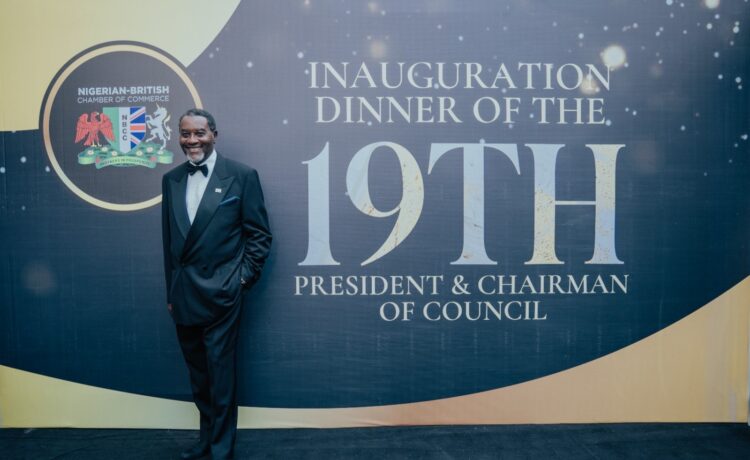
Speaking during the investiture of Abimbola Olashore as the president and chairman of the council of the Nigerian-British Chamber of Commerce in Lagos on Monday, Babajide Sanwoolu, the governor of Lagos State, said while the country’s total trade with Britain had risen to £7.9 billion in the first quarter of 2025, representing an 8.6 percent increase over the previous year, Nigeria still ranks as the UK’s thirty-seventh largest trading partner, revealing that the country is not leveraging the bilateral partnership enough to boost trade inflows.
Sanwoolu said there’s an “urgent need to expand Nigerian exports,” stressing renewed engagement and more strategic de-risking mechanisms to attract long-term investment, especially as UK Foreign Direct Investment stock slowed to £385 million as of 2023, the lowest it’s been in recent years.
“We must diversify trade and promote Nigerian exports. By empowering SMEs, especially in non-oil sectors such as agro-processing, light manufacturing, and the creative industries, we can open new pathways into UK markets,” Sanwoolu, who was represented by his deputy Obafemi Hamzat, said.
Read also: Nigerian-British Chamber of Commerce hosts biggest golf tournament in 8yrs
“We should scale investments and mitigate risks by establishing a UK–Nigeria Investment Council based in Lagos, bringing together government, investors, and private-sector leaders to co-invest in infrastructure, innovation, and social enterprise.”
The latest data from the UK Department for Business and Trade shows that total trade in goods and services between Nigeria and the UK reached £7.5 billion over the four quarters to the end of the third quarter of 2024.
Of this, UK exports to Nigeria amounted to £5.3 billion, while imports from Nigeria stood at £2.2 billion, highlighting the need to intensify export performance to reap the benefits of the shared partnership.
Read also: Businesses, exporters urged to tap opportunities in UK trade scheme
The chairman of the occasion, Babatunde Fashola, the former minister of works and housing, also said re-engineering small and medium enterprises and interrogating challenges they face while proffering “bespoke” solutions could boost trade between both nations and spur new SMEs who will, in turn, produce and supply goods and services across borders.
“I think it remains to just make a point about the role of infrastructure in boosting and expanding trade, because whatever is then produced needs to be shipped and needs to be supplied before trade can effectively take place,” Fashola, who was the former governor of Lagos State, said.
Benedict Oramah, immediate past president of the African Export-Import Bank (Afreximbank), in his keynote address, said that while trade could be a powerful instrument for development, the disruption of globalisation cannot be the end of the road for Africa and Nigeria.
Read also: NBCC deepens policy engagement with finance ministry to boost UK-Nigeria trade ties
“I am confident that with or without globalisation, Africa’s trade-driven transformation is on its way, and I am proud to say that Afreximbank rose to its calling and is, and will continue to be, instrumental in charting this promising path,” he said.
Oramah urged true African leadership to abandon the luxuries of privilege and embrace the duty of sacrifice, stressing that the quality of NBCC members could form the nucleus of leadership required to push economic transformation forward, no matter the odds the external environment presents.
The bank’s former president said Afreximbank had taken concerted action towards resolving the institutional failures that had constrained the continent’s development aspirations.
This, he stated, has provided Africa with a good chance to overcome emerging challenges, saying business leaders, NBCC members, and political leaders have their job cut out for them.
Johnny Baxter, the British deputy high commissioner, noted that trade is also diplomacy and said the UK’s developing countries trading scheme allowed for over 90 percent of products to go into the UK duty-free.
Baxter said both countries must embrace an enhanced trade and investment partnership while identifying barriers to trade and working together to resolve those barriers.
Read also: NBCC deepens policy engagement with finance ministry to boost UK-Nigeria trade ties
In his acceptance speech, the newly inaugurated president, Olashore, said the leadership was a privileged position he does not take lightly, affirming his renewed commitment to the vision of strengthening Nigeria-UK trade for the prosperity of the business community and the nation.
He said his administration was mindful of the challenges and realities of the current times, with global economic shifts, domestic challenges, and the fast-changing dynamics of international trade.
“We intend to continue to drive trade and investment between Nigeria and the United Kingdom and will focus on initiatives that unlock real opportunities, empower businesses, and attract investment that strengthens our economy,” Olashore said.
“We will strengthen our advocacy, we will engage policymakers more strategically, and we will position the chamber as a trusted contributor to economic development discourse,” he added.