
A landmark $17 billion transaction is set to reshape the foundation of the U.S. building materials industry. has entered into a definitive agreement to acquire , a move that will forge the second-largest publicly traded distributor of building products in North America. Investors should view this as more than a merger; it is a clear signal of a powerful trend toward sector consolidation.
This acquisition is the capstone of QXO’s aggressive expansion strategy, which recently closed its purchase of Kodiak Building Partners. This pattern of growth comes at a time when the construction supply chain is becoming increasingly complex. Fluctuating material costs, logistical challenges, and persistent pressure to improve efficiency have made scale a critical advantage. Companies that can control larger portions of the supply chain theoretically should be better positioned to manage costs and serve large-scale builders.
The announcement of the TopBuild deal triggered immediate and opposing reactions in the market. Shares of TopBuild rose nearly 20% as investors priced in the acquisition premium. In contrast, QXO’s stock price declined by over 3% on exceptionally high trading volume. These divergent paths highlight two very different narratives for investors to consider in this evolving landscape.
Calculating the Opportunity in TopBuild Stock
The strategic logic for combining QXO and TopBuild centers on achieving market dominance through scale. For the business itself, the anticipated advantages are significant. Key areas include:
-
Enhanced Procurement Power. With greater purchasing volume, the combined entity can negotiate more favorable pricing from raw material manufacturers. This can lead to lower costs of goods sold and directly improve profit margins.
-
Operational Scale and Efficiency. Integrating TopBuild’s vast installation and distribution network allows for streamlined logistics, reduced overhead, and an expanded service footprint, creating a more efficient end-to-end operation.
For investors, the deal has created a specific, data-driven scenario known as merger arbitrage. This strategy focuses on capturing the value in the spread, the difference between a target company’s current stock price and the price the acquirer has agreed to pay. The numbers here are clear: QXO has offered TopBuild shareholders the option to receive $505 in cash for each share. Following the announcement, TopBuild’s stock closed at $489.81, leaving a spread of $15.19 per share.
This gap exists because the transaction is not yet final, with an expected closing in the third quarter of 2026. The spread is the market’s price for the time and the minimal risks associated with finalizing any merger, such as regulatory approvals.
While it is common for shareholder lawsuits to be filed questioning a deal’s fairness, and several have been announced, such actions are routine in the M&A landscape. Arbitrageurs note that the transaction’s unanimous approval by both companies’ boards of directors signals strong internal confidence, a key factor when assessing the probability of a deal successfully closing.
Dilution Vs. Dominance: The Long-Term Case
While TopBuild’s stock rose, QXO’s share price fell 3.14% on massive trading volume of over 55 million shares. This reaction, while seemingly negative, is a textbook market response for an acquiring company and is driven by two primary factors: share dilution and increased leverage.
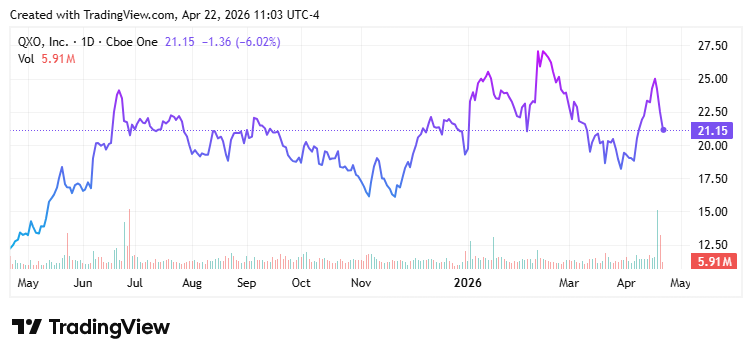
Because the acquisition is to be funded 55% with new QXO stock, millions of new shares will be issued, temporarily diluting the ownership stakes of existing shareholders. The remaining 45% cash portion will be financed by taking on new debt, thereby increasing QXO’s liabilities on its balance sheet. Investors often react to these short-term mechanical changes, which can place pressure on the acquirer’s stock.
However, QXO’s leadership appears to be making a calculated trade-off: accepting this predictable stock dip in exchange for a dominant market position. Management has underscored this strategy by stating the deal is expected to be immediately accretive. This means the acquisition is projected to immediately increase QXO’s earnings per share (EPS), as the additional income from TopBuild is expected to more than offset the increase in shares outstanding.
This long-term value proposition is also reflected in Wall Street’s forward-looking analysis. Despite the dip to $24.21, the consensus analyst rating for QXO remains a Moderate Buy, with an average 12-month price target of $32.40. This suggests that industry experts, looking beyond the initial reaction, see healthy upside as the benefits of the consolidation strategy are realized.
From Arbitrage to Long-Term Value
The QXO-TopBuild merger is a transformative event driven by a clear strategy of industry consolidation. The market’s reaction has created two distinct situations for investors to evaluate.
For TopBuild, its stock now largely functions as a short-term arbitrage vehicle, with its value closely tied to the $505 acquisition price. Investors focused on this strategy may monitor the spread and news related to the deal’s progress toward its third-quarter closing date.
For QXO, the post-announcement dip presents a different narrative. The current share price may offer a compelling entry point for long-term investors who view the strategic consolidation of the building materials sector as a path toward significant enterprise value. While conservative market participants may choose to wait for greater clarity regarding financing structures and integration milestones as the 2026 closing date nears, those with a higher risk tolerance might see this volatility as an opportunity. Ultimately, the stock now serves as a gauge for confidence in QXO’s ambitious vision for market dominance and sustained growth.