
- The dollar has been gaining ground and popularity in recent months.
- High oil prices are weighing on the euro and gold.
The US Dollar is rising for the third day as hopes for de-escalation in the Middle East fade. The US is set to deprive Iran of oil revenues by blocking the Strait of Hormuz. This long-term game risks prolonging the rally in and , which is negative for the energy-import-dependent eurozone. Against this backdrop, Germany has halved its 2026 GDP forecast, from 1% to 0.5%, and the is retreating.
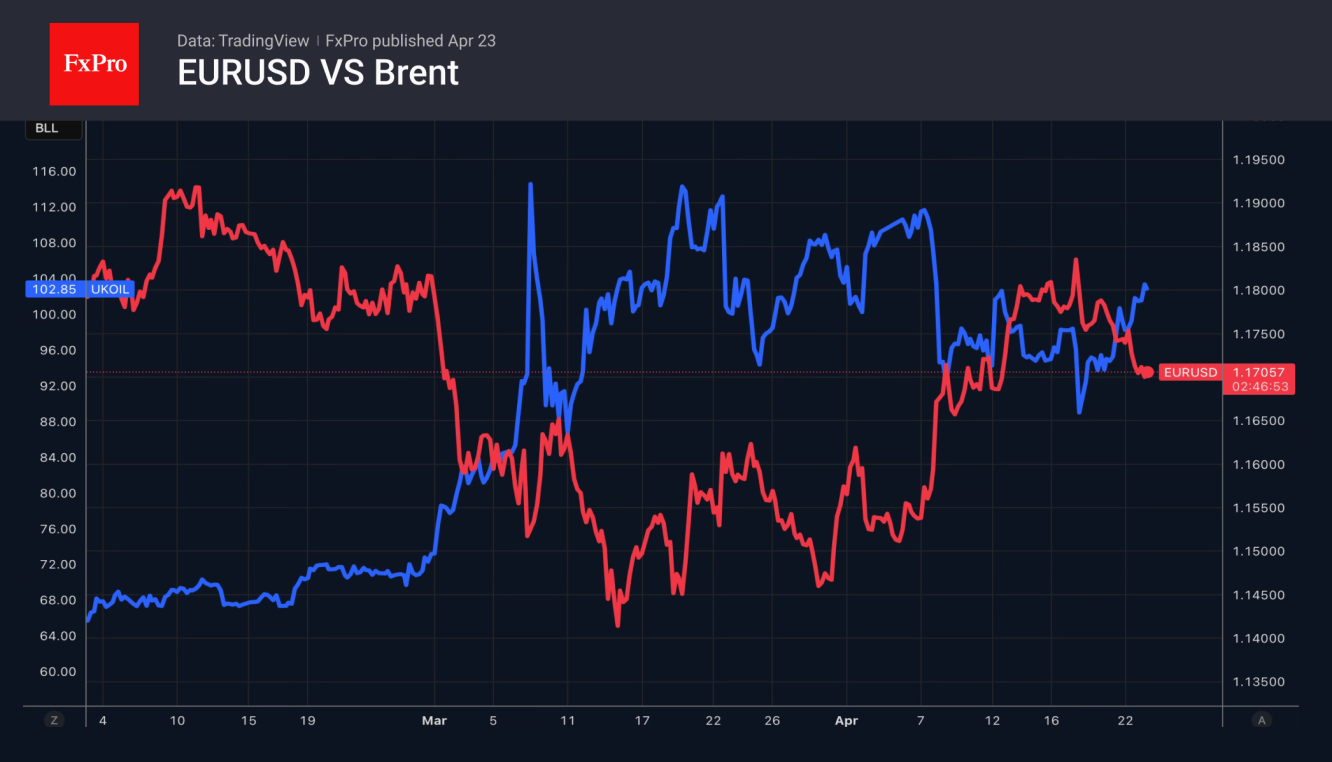
Rising oil prices are weighing on the euro due to deteriorating terms of trade within the currency bloc. However, for most of April, the EURUSD rose, and last Friday exceeded 1.18, recouping all losses incurred since the start of the Middle East conflict. This was a bet on productive negotiations and a swift recovery in oil prices and business activity. As soon as it became clear that the parties had reached an impasse, the pressure returned.
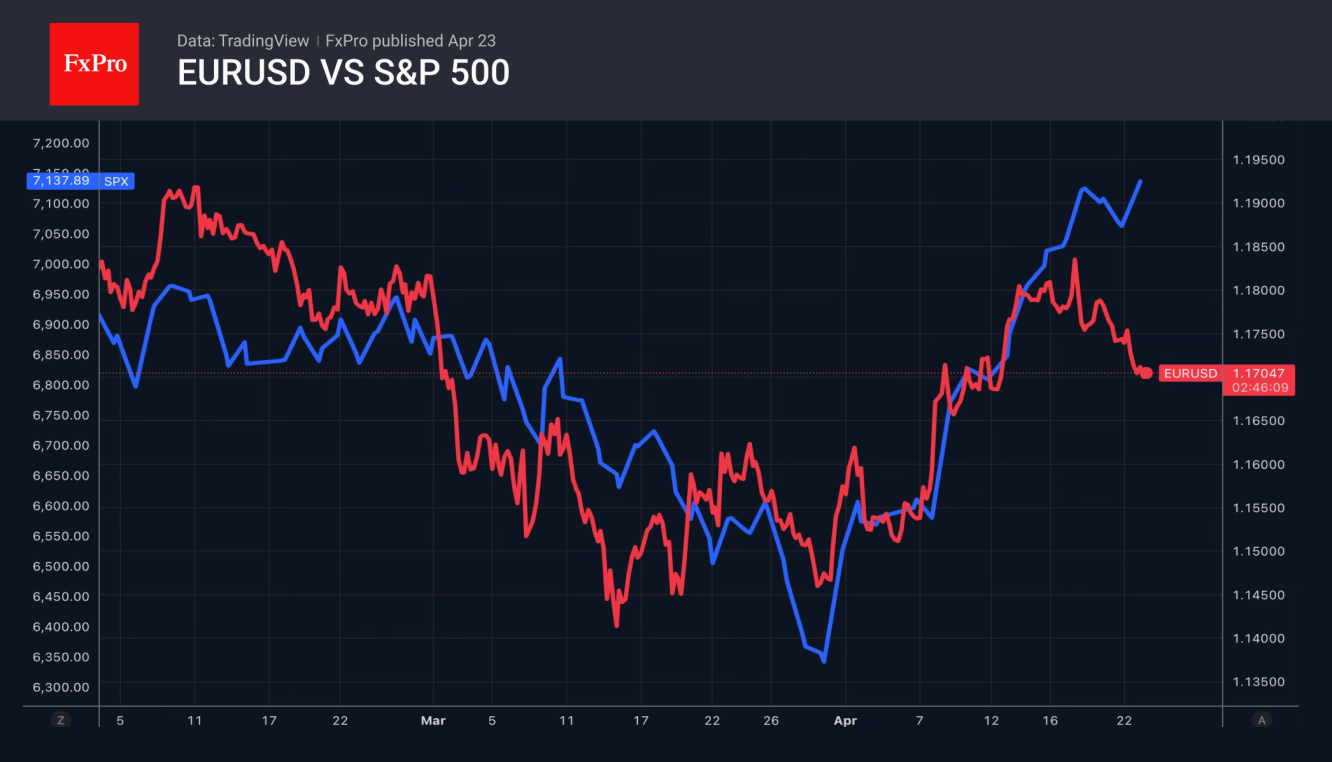
The ’s rapid rally does not help the euro. The broad stock index hit a record high thanks to heavy buying on dips by retail investors and forecasts of strong corporate earnings. The US economy will suffer less from the closure of the Strait of Hormuz and high oil prices than the European economy. As a result, alongside FOMO (fear of missing out), the theme of American exceptionalism may return to the markets. Under such conditions, the and equities will move in the same direction.
The US dollar is supported by increased demand for it as a means of payment. According to BIS data, the greenback’s share of international payment transactions in March returned to its highest level since 2023, exceeding 51.1%. This was likely driven by the US lifting sanctions on Russia and Iran to stabilise the oil market, as well as mistrust of regional currencies amid a tense geopolitical situation.
The strengthening of the dollar is forcing to retreat. The precious metal rose in the first half of April on expectations that the peak of the conflict in the Middle East had passed and that de-escalation would lead to lower oil prices. With no clear signs that the conflict in the Middle East is winding down, investors are assuming that, amid high inflation, central banks will be forced to tighten monetary policy.
The FxPro Analyst Team