would do whatever it takes to keep inflation in check. Analyst firm Societe Generale warned that “twin deficit” countries – those running both a government budget gap and a current-account gap (spending more abroad than they earn) – can be especially exposed if the dollar and oil stay high.
Why should I care?
For markets: Currencies are flashing a different signal than stocks.
Parts of North Asia looked resilient, helped by tech enthusiasm, while several Southeast Asian markets and currencies showed more strain. That mix matters because a falling currency can pressure company profits via higher import costs and can also push central banks to keep rates higher for longer, which tends to weigh on valuations. Investors will be watching whether weakness stays contained to the most oil-dependent and deficit-heavy economies – or spreads across the region.
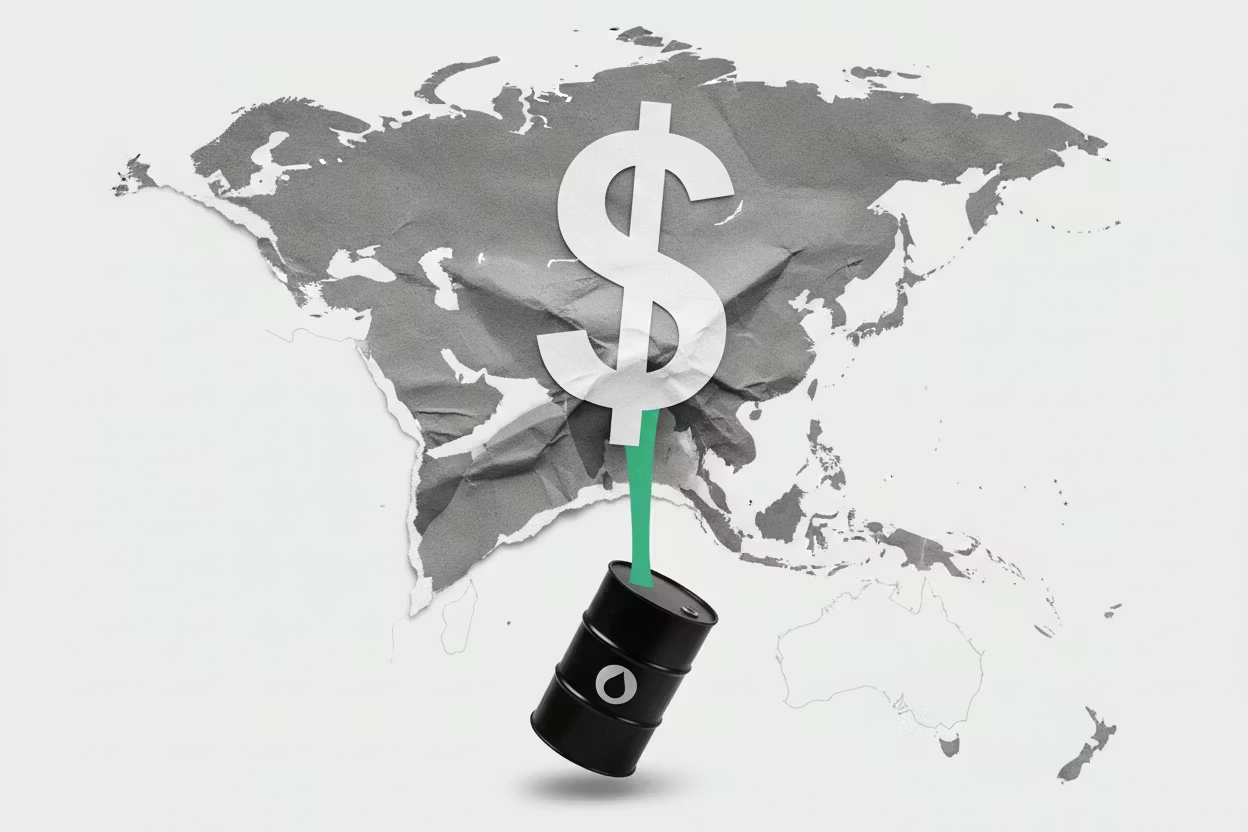
The bigger picture: Oil and the dollar can box central banks in.
Higher energy bills feed into inflation, and weaker currencies can amplify that by making imports more expensive. That can limit how quickly central banks can cut rates, even if growth cools – the Philippines’ recent hike is a case in point. If oil stays elevated, policymakers across Asia may have to choose between supporting their currencies and supporting their economies, and that trade-off can shape everything from consumer spending to government budgets.