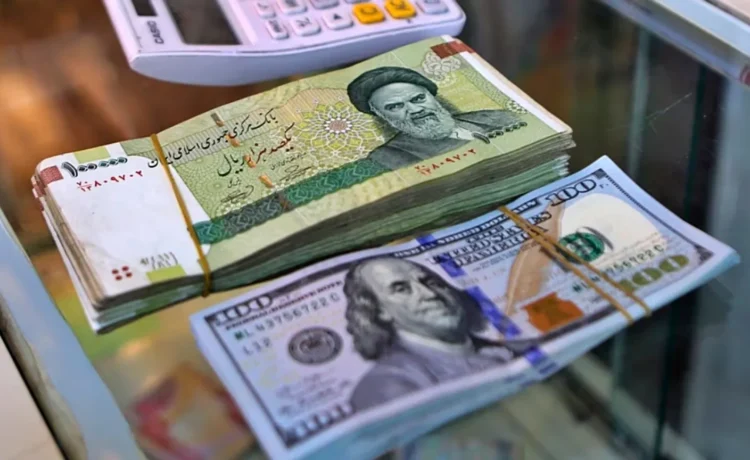
Tehran, Iran – The US dollar continued its record rise in the Iranian free market, recording unprecedented historical levels by exceeding the barrier of 211 thousand tomans. This compared to about 200,000 tomans last week. This rapid rise comes amid continuing structural economic pressures on the Iranian currency. In addition, markets feared the possibility of tightening US and international sanctions. In addition, the disruptions in the external payment and remittance channels on which Iranian trade depends are worsening.
Impact of the collapse on major currencies
The surge wasn’t limited to the US dollar alone; it extended to all major foreign currencies traded on the parallel market: the euro reached a record high of nearly 245,000 tomans, and the British pound sterling reached approximately 285,000 tomans. These figures reflect a frenzied demand for foreign hedging assets, driven by a growing lack of confidence in the stability of the local currency. It also reflects the monetary authorities’ inability to curb its continued depreciation against foreign currencies.
Inflationary pressures and a sharp decline in purchasing power
This sharp and continuous decline in the value of the rial is having direct and painful repercussions on the Iranian economy. The cost of importing raw materials, basic foodstuffs, and medicines is automatically rising. This upward trend in import costs is fueling rampant inflation. As a result, it is imposing a heavy additional burden that is eroding citizens’ purchasing power and exacerbating their already dire living conditions.
Year-on-year comparison: Half the value lost in one year
The depth of the economic and monetary crisis becomes clear when looking at the annual indicators. At the same time last year, the US dollar exchange rate was only around 95,800 tomans. This enormous difference clearly means that the Iranian currency has lost more than half its purchasing power against the dollar in just one year. This is a dangerous indicator reflecting the deterioration of the macroeconomic environment and the deep financial isolation suffered by Iranian markets amidst the complexities of the regional and international landscape.