What happened
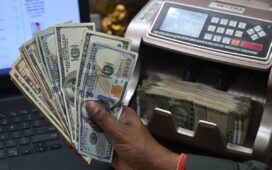
India tapped its diaspora for hard currency and got a windfall. The Reserve Bank of India said Wednesday that Foreign Currency Non-Resident, or FCNR(B), deposits reached $127.23 billion. Add another $9.15 billion from other foreign-currency borrowings from overseas and external commercial borrowings, and the total comes to $136.38 billion, exceeding the RBI’s $80 billion projection.
The special window rolled out in June to keep the rupee from breaking past its record low. To make the math work for lenders, the RBI picked up banks’ hedging costs on deposits brought in under the scheme and let them extend credit against each dollar, with loans reaching up to 19 times the deposit amount.
Why it matters
This stash signals how effectively India can tap its roughly 35 million-strong global community when markets turn rough. It revives the playbook from the 2013 taper tantrum: a similar move attracted $26 billion and the rupee jumped. This time is different: despite the inflows, the currency is little changed from its June 5 level.
The central bank also surprised markets by closing the FCNR window last month, a full month earlier than previously outlined. The deposits come due in three and five years.
Even when big programs shape the headlines, steady investing wins over time, so download the free Always Be Buying E-Book
What it means for your portfolio
There is a balance-sheet trade-off to watch. Gaura Sen Gupta at IDFC First Bank forecasts the current account could post a surplus of up to $80 billion over the year ending in March, and she says the RBI will continue accumulating dollar reserves to pay back these deposits over time. Madhavi Arora at Emkay Global calls the inflows a future dollar debt and flags an indirect fiscal cost via lower RBI dividends that could total 1 trillion rupees, or $10.5 billion, cumulatively. Her take: use the funds carefully and productively to offset those first order costs.
For your money, the message is simple: India just added a sizable dollar buffer, which can help smooth currency swings, but it also took on future obligations. That mix can influence import prices, travel costs, and inflation that filters into everyday budgets.