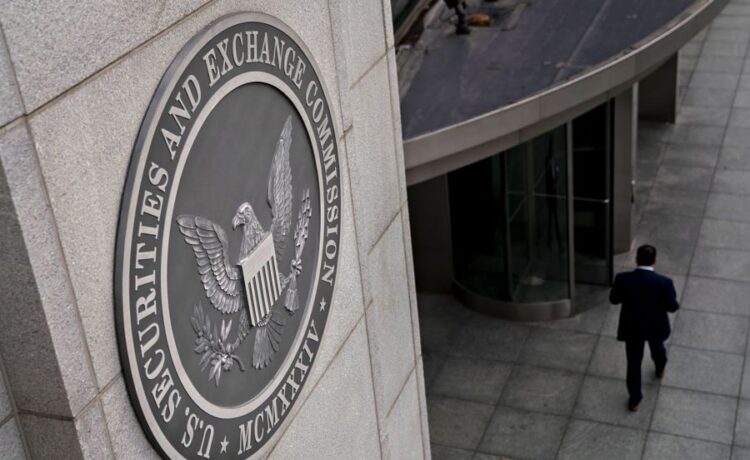
The proposal to eliminate Rule 206(4)-5 would end a 16-year-old restriction that firms say has unfairly suppressed political speech.
The Securities and Exchange Commission on Sept. 3, 2026, proposed eliminating a rule that has barred investment advisors from receiving compensation from government clients for two years after making political contributions to certain elected officials or candidates.
The proposal targets Rule 206(4)-5 under the Investment Advisers Act of 1940, widely known as the pay-to-play rule. If finalized, it would remove a regulation that the commission now characterizes as operationally burdensome, disproportionate in its penalties, and misaligned with the SEC’s core mandate. Corresponding recordkeeping requirements tied to the rule would also be struck.
The move is the latest in a series of deregulatory actions under SEC Chairman Paul S. Atkins, who has made reducing compliance burdens a central pillar of his tenure.
A rule with unintended consequences
The commission said the political contribution rule, since its adoption in 2010, has led to significant unintended consequences, including advisors imposing blanket prohibitions on political contributions at the state and local level.
Firms have indicated the rule is operationally difficult to administer and that its de facto strict liability standard can result in major prohibitions and fines stemming from minor donations.
In a statement accompanying the proposal, Chairman Atkins said many firms simply prohibit employee political contributions rather than attempt to navigate the rule’s complexities, and that such practices discourage full participation in the electoral process. He argued the rule has effectively suppressed political speech in the industry.
“After more than 15 years of experience administering the ‘pay-to-play’ rule, it is clear that it is overly prescriptive and has produced a host of unintended consequences,” Atkins said. “Ultimately, matters involving political contributions are more properly governed by local ordinances, state laws, and federal election regulations — not by the SEC.”
The SEC chairman also addressed concerns that removing the rule would expose government pension plans and other public clients to conflicts of interest, arguing that existing Advisers Act protections including antifraud requirements, fiduciary duty obligations, compliance program mandates, and codes of ethics rules, remain in force and are sufficient to guard against misconduct.
What comes next for firms
The public comment period will remain open for 60 days after the proposing release is published in the Federal Register.
Advisors who have been most directly affected, particularly smaller firms where a single employee’s donation can disqualify the entire organization from government advisory work, are expected to comment in support.
The proposal fits squarely within Atkins’ stated “A-C-T” framework, which aims to advance regulatory frameworks into the modern era, clarify jurisdictional lines, and transform the rulebook by returning it to first principles.
Compliance professionals tracking the SEC’s broader deregulatory agenda have noted that pay-to-play reform had been listed among the commission’s priority items since the July 2026 release of the unified regulatory agenda.
For registered investment advisors and wealth management firms with exposure to government investment contracts including public pension plans, state retirement systems, and municipal investment pools, the proposed rescission could meaningfully reduce compliance overhead.
Advisory firms have historically maintained dedicated compliance programs specifically to track employee political contributions and assess whether any trigger the rule’s two-year ban, processes that would no longer be necessary if the rule is eliminated.
Critics of the proposal, however, are likely to argue during the comment period that the pay-to-play rule has served a legitimate purpose in deterring quid pro quo arrangements between advisers and politicians controlling pension assets. The rule was adopted following a wave of scandals in which advisory contracts were alleged to have been influenced by campaign donations, and its removal could invite renewed scrutiny of how public investment mandates are awarded.
The commission has emphasized that the underlying Investment Advisers Act’s fraud prohibitions remain intact, and that state and local authorities along with federal election law, provide an alternative regulatory framework governing political contributions. Whether that assurance is sufficient to satisfy public pension plan oversight bodies remains to be seen.
Advisors should monitor the Federal Register for the official publication date, which will start the 60-day comment clock, and assess whether to participate in the rulemaking process before a final decision is made.