You know the question: if you could have anyone, living or dead, round for dinner, who would you invite? My table would be less dream dinner party, more women’s health dream team – some of the world’s leading experts, with Madonna and Emily Brontë sandwiched somewhere in between. And there’s one thing I’d ask them: in a world that is constantly telling us to invest in this, buy that, track everything and optimise ourselves into oblivion, what do you actually spend your own time and money on?
If we’re all honest, the wellness industry has given us all a few trust issues. A product promises to transform your hormones? Sure. A wearable claims it can decode your sleep? Stunning. A supplement that claims it’ll help you live longer? Naturally, our interest is piqued.
Strip away the noise, the trends and the increasingly expensive business of “wellness”; what genuinely makes a difference? I asked the women who know best. So, park yourself up – consider this your ultimate wellness shopping list, curated by the experts leading the conversation – from the habits they swear by to the appointments, treatments, tests and products they believe are actually worth your time, money, and, crucially, attention – the good stuff, in other words, with the wellness-world nonsense left at the door.
Keen to read more expert-backed advice? Scroll our features on the best healthy ageing habits, the blue zone habits to try, and the simplest ways to improve your health here.
5 Best Health Investments of All Time, According to Top Experts
The women who know what’s worth investing in
So, who made the guest list? Five experts; five very different health investments. Around the virtual round-table we have: a sleep specialist, a cardiovascular expert, a menopause doctor, a longevity specialist, a women’s health GP, and a fitness expert – all revealing the health investments they genuinely rate.
The answers range from the things you can buy to the things you absolutely can’t – and, perhaps unsurprisingly, there’s a lot less biohacking and a lot more of the basics than you might expect.
1. The Sleep Investment That Pays You Back Every Day
If there’s one thing Dr Wendy Troxel, clinical psychologist and sleep scientist, would like us to stop doing, it’s looking for a pill to “switch us off.” She’s sceptical of the booming market of sleep supplements and “hacks” promising the perfect sleep. “There are effective strategies to improve sleep quality across all stages of a woman’s life, and they don’t come in a pill,” she says.
“For chronic insomnia, the gold-standard investment is cognitive behavioural therapy for insomnia (CBT-I), while the everyday basics matter too: a consistent wake-up time, plenty of light and movement during the day, a proper wind-down routine and resisting the late-night doomscroll.”
And for her own investment? Start with the place where you spend a third of your life. “What other piece of furniture do you spend eight hours a day in?” She has a point: research using wearable data suggests adults spend around 7.5 hours a day actually sleeping, while estimates that include the time we spend awake in bed put that figure closer to nine hours.
So, creating a comfortable sleep environment, for Troxel, is one of the wisest investments you can make for your sleep.”It’s not a case of spending £3,000 on the latest sleep-enhancing mattress; comfort is personal, and your sleep set-up should change as you do. Your mattress may need to change with you too.”
Her more unexpected investment is an eye mask with Bluetooth speakers. “If I wake, I’ll listen to a short story rather than lie there trying to force myself back to sleep. The harder we try to make sleep happen, the more elusive it can become – the best thing you can do for your sleep is stop trying so hard.”
2. The Heart Check You Shouldn’t Wait For
For Dr Nabila Laskar, consultant cardiologist and cardiac imaging specialist, the smartest health investment she made was understanding a good route into prevention. “I prioritise knowing my own cardiovascular risk rather than assuming that because I feel well, everything must be fine. I keep an eye on things such as my blood pressure, cholesterol and blood sugar.” As a cardiologist, she sees how easily those risks can develop silently, which is why she favours prevention and knowing her numbers over spending money on the latest wellness product.
But cardiovascular health isn’t just about numbers. Laskar wants women to remember three things: “First, your pregnancy history is part of your heart history. Conditions such as pre-eclampsia and gestational diabetes can be important markers of future cardiovascular risk, even years after the pregnancy itself.”
Menopause is another opportunity to take stock. “It’s not simply about hot flushes, sleep and hormones; changes in cholesterol, blood pressure, body composition and metabolic health can also affect cardiovascular risk.”
The third point is not to normalise a change in what your body can do. “If a woman who has always been able to walk up two flights of stairs comfortably suddenly finds herself unusually breathless,” Laskar says, “don’t automatically blame age, menopause or stress.”
This isn’t about becoming obsessed with your health. It’s about recognising that prevention can give you something far more valuable than another monetary “wellness” hack: time to act before a risk becomes a problem.
3. Forget Biohacking: This Is What Actually Helps You Live Well for Longer
If anyone is qualified to tell us what’s worth spending money on in the pursuit of longevity, it’s Kayla Barnes-Lentz. Having invested more than $1 million in her own health optimisation – and personally trialled everything from hyperbaric chambers and red-light therapy to PEMF, cold plunges and brain photobiomodulation – she has a surprisingly simple conclusion: “The basics absolutely must be prioritised. Not only are they most backed by science, but they’re also where I’ve seen the most measurable shifts in my biomarkers.”
That doesn’t mean Barnes-Lentz has abandoned optimisation altogether. One area she invests in significantly is her everyday environment. “We know environmental toxins like BPA, parabens and phthalates have a detrimental impact on our health,” she says, pointing to air and water filtration as two of her priorities. She also monitors the air quality in her home. “We breathe more than we do anything else,” she says, whilst also arguing that a high-quality water filter is worth the investment.
And of all the advanced interventions she’s tried, her standout is decidedly old-school: the sauna. “Out of all my ‘tools’, the sauna has the best data,” she says, personally using one four or more times a week. Regular sauna use has been linked with lower blood pressure and better vascular function, essentially giving your cardiovascular system a workout while you sit still. For a longevity investment, it’s hard to argue with something that asks you to do very little beyond sit, sweat and relax.
4. The Exercise Investment That Makes the Biggest Difference
For fitness coach Laura Hoggins, the best investment she’s made in her physical health wasn’t a piece of equipment – it was joining a great gym or being coached in her formative years. She’s quick to acknowledge that having the financial freedom to do so is a privilege, but says the experience was game-changing. “The small yet mighty community gave me a sense of belonging, accountability and a shared goal to be our best selves inside and outside of the gym,” she says.
And there’s evidence that this sense of community can make a huge difference. A 2025 systematic review spanning 68 studies found that social support and accountability were among the factors that helped people maintain physical activity over the long term.
But the good news? “You don’t need an expensive membership to get stronger. If I had £100 to spend on fitness for the year, I’d buy a good pair of durable, supportive trainers.”
When it comes to women’s health, Laura is less interested in the latest wellness promise and more interested in getting the fundamentals right. Which is why there’s one category she wouldn’t spend her money on: “Supplements promising to balance your hormones. Let’s start with the basics and ensure your lifestyle choices, nutrition and stress management are in shape first. This will be the biggest contributor to your ability to manage hormonal changes.”
5. The Health Appointment You Should Stop Putting Off
For women’s health expert and GP, Dr Raj Arora, the smartest health investment isn’t money. It’s time – time to understand your body, stay ahead of prevention and notice when something changes. “Invest in understanding your own health and your own body,” she says. Know your normal, know your numbers and don’t wait until something feels wrong to start paying attention.”
It’s a particularly important message for women, who Aurora says can become “incredibly good at putting their own health at the bottom of the list”. And she’s not wrong. Raise your hand if you’ve ever thought I don’t have the time when it comes to booking that appointment, chasing that referral or getting that check-up. In shame, I’ll go first.
Her advice? Make your health an appointment in the diary, rather than something you’ll get around to eventually. Cervical screening is a key preventative check, alongside breast awareness and regular blood pressure checks. “You don’t need to become anxious about every symptom,” Aurora says. “But you do deserve to take your own health seriously.”
So, What’s Actually Worth Spending Your Money On?
Five women at the forefront of women’s health. Thousands of pounds’ worth of expertise. And the verdict? You probably don’t need to buy that much stuff.
Here’s the expert-approved wellness shopping list: what’s worth it, what’s nice to have, and what you can safely leave in the basket.
Worth the investment
- A good bed: Let those 9 hours be comfortable.
- The right health checks: Know your metrics; stay on top of cervical screening and understand yours and your family’s history. Prevention may not be sexy, but neither is finding out you should have checked something five years ago.
- Strength Training: You don’t need a boutique gym or PT. Your muscles don’t care whether your weights come from a luxury fitness studio or Argos.
- Good Trainers: Spend the money here rather than on a designed water bottle. Laura Hoggins has spoken.
- Therapy or evidence-based treatment when you need it: Particularly for something like chronic insomnia, where CBT-1 beats hoping the latest sleep gummy will do the job
Nice to have
- A sauna.
- An eye mask with Bluetooth speakers.
- A decent gym membership if you genuinely enjoy going.
- Air and water filtration if it’s within your means.
The experts aren’t anti-wellness – they’re just much more interested in what actually earns its place.
Where to save
- The biggest (and cheapest): time. Time to sleep. Time to move. Time to notice when something has changed. Time to make an appointment. Time to look after yourself before your body forces you to.
As a woman who loves a little treat in the name of “wellness”, it pains me to say this, but it turns out you can’t really buy your way to better health. But you can spend your money and your time – a little more wisely.
Shop MC UK approved health investments now:
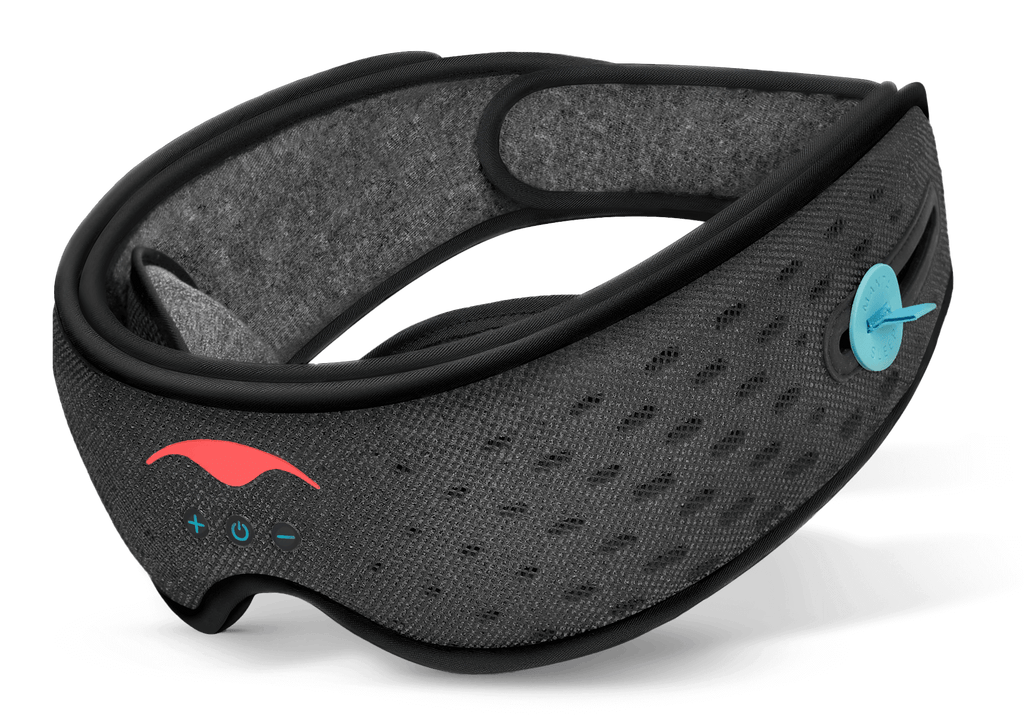
Who knew the secret to a better night’s sleep was not to try so hard? Dr Troxel told us this is her go-to for those nights when your brain simply won’t switch off: rather than lying there fighting sleep, put something calming on and let yourself drift. The Mantana sleep mask pairs a blackout mask with built-in Bluetooth audio, so you can listen to a podcast, meditation or, in my case, rainforest noises, while getting cosy in the dark.
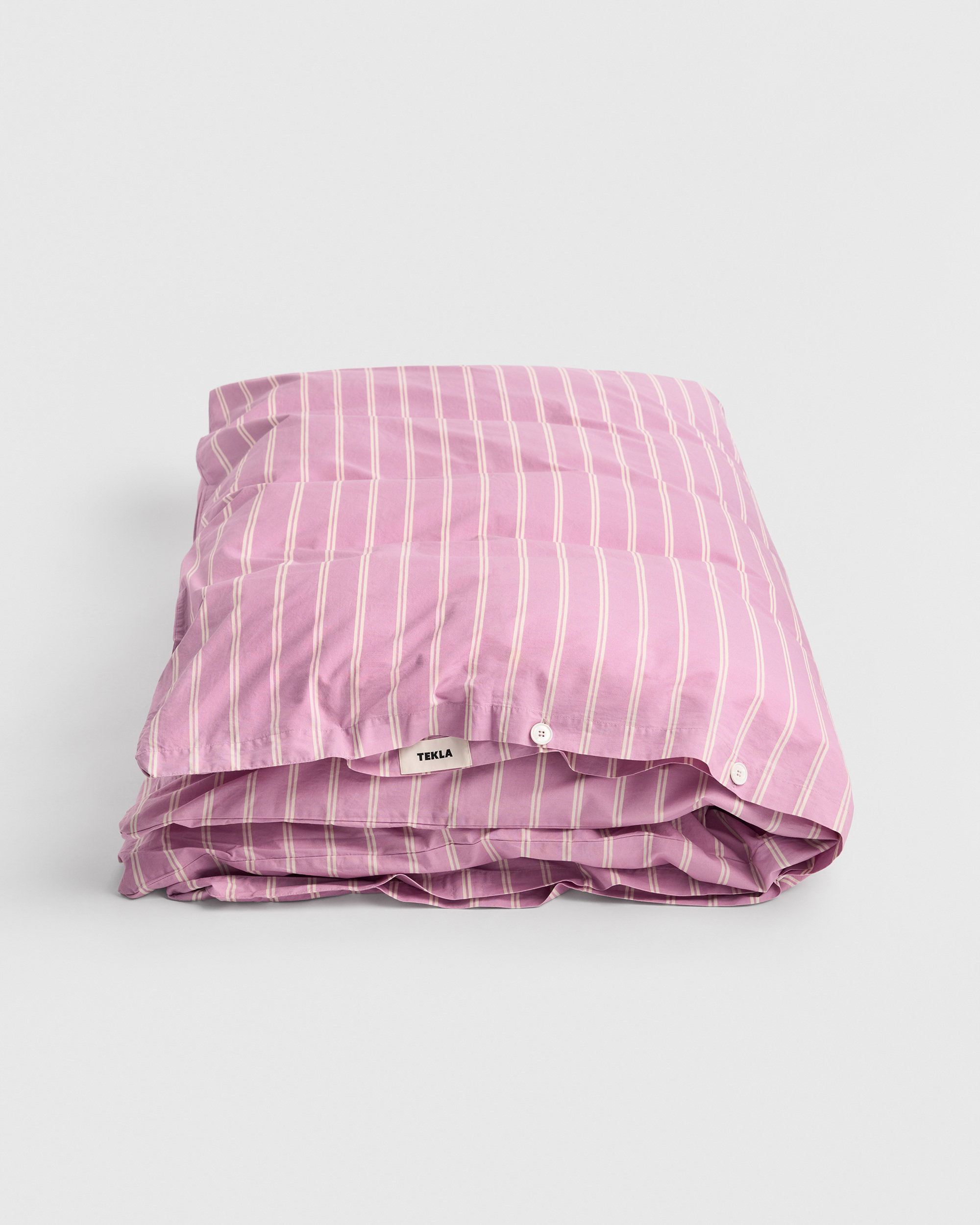
Tekla Fabrics Percale Duvet Cover
If one thing came through loud and clear from the experts, it’s that your bed deserves to be somewhere you actually want to be. Tekla’s Pink Striped duvet cover is made from lightweight, stonewashed organic cotton percale, with that crisp-but-soft hotel-bed feeling. Basically, make your bedroom so lovely you have no choice but to go to bed.
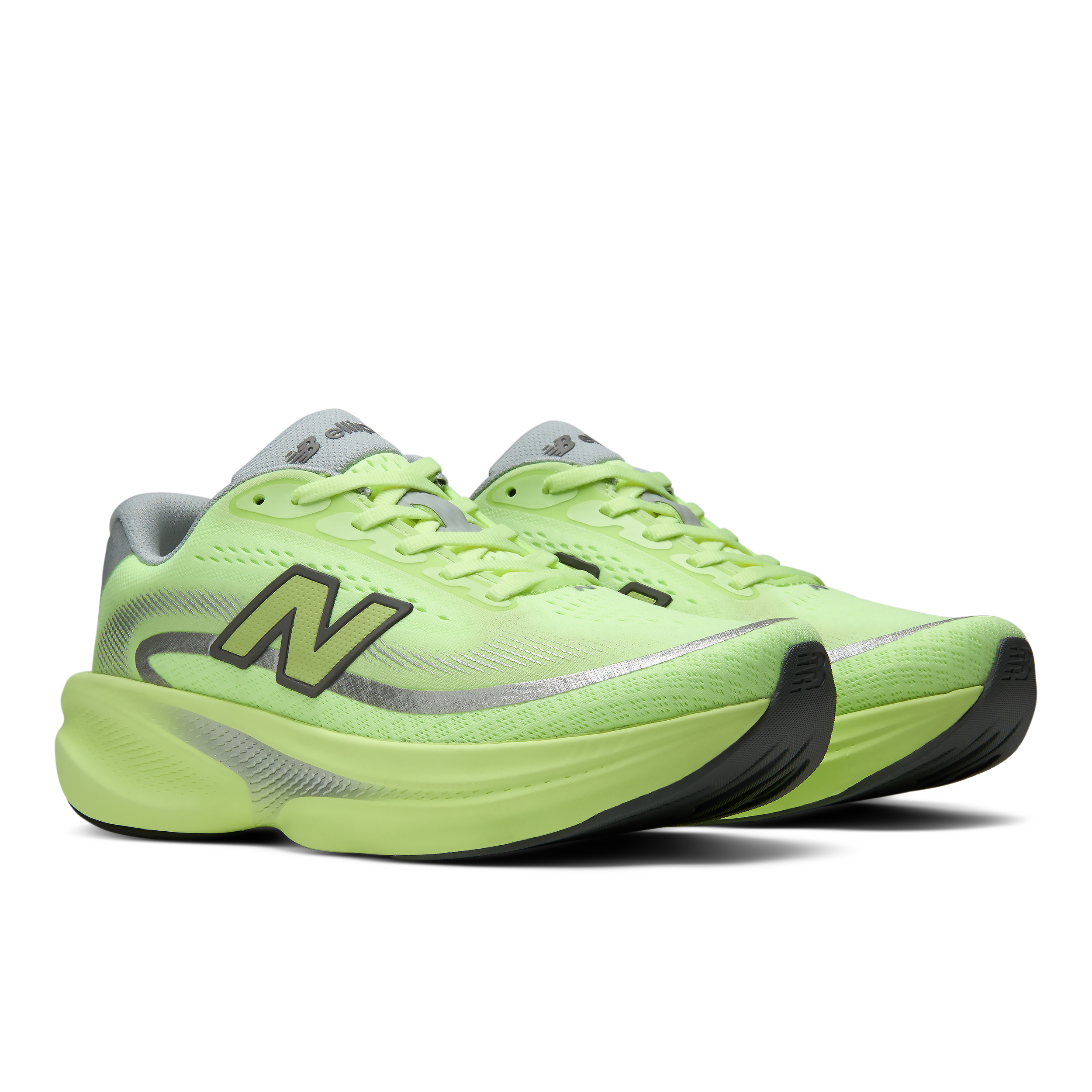
newbalance
New Balance Ellipse v1 Running Trainers
Our fitness coach made one thing clear: aside from the movement itself, investing in what supports you while you move is one of the smartest health spends you can make. These New Balance trainers bring soft cushioning and a lightweight feel to everything from running to your daily steps.