
Institutional investors continue to utilize currency hedging as a way to reduce the impact of fiat value shifts on their returns. Notably, this method of protecting investment capital was used only by institutions in the past.
However, today there’s a growing number of retail investors who have adopted the strategy with great success. Here’s everything you need to know about currency hedging and how you can integrate this approach into your overall investment strategy.
How Institutional Investors Overcome Currency Volatility
Institutional investors have long understood that FX volatility can result in losses, even if their initial investment was profitable. The conversion rate between fiat currencies is constantly shifting based on a variety of factors, including geopolitics, interest rates, economic stability, speculation, and regional advantages.
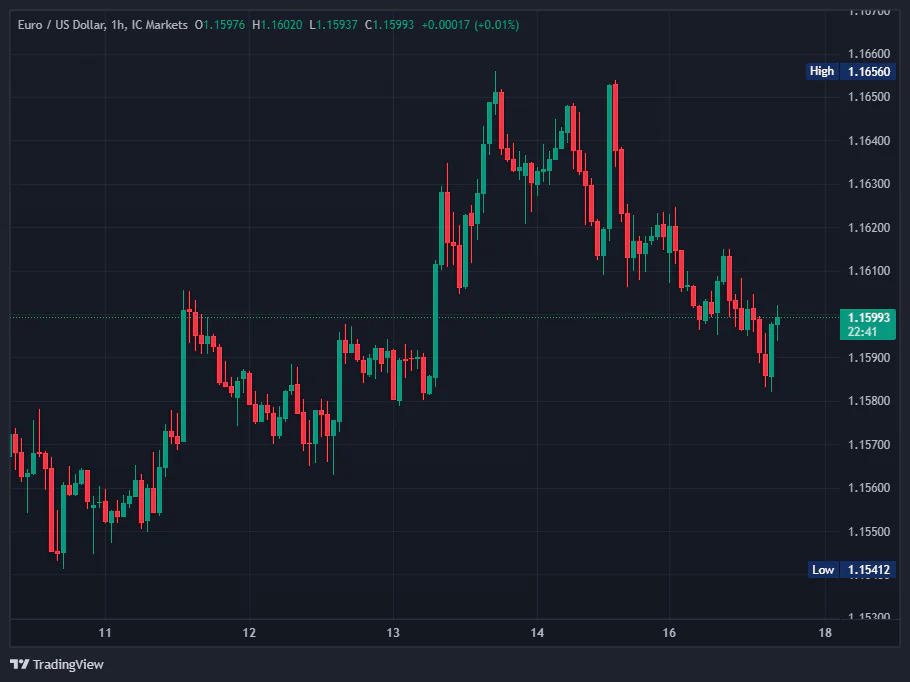
Source – FXverify
Notably, FX volatility has risen since 2022, driven by diverging central-bank interest-rate paths, post-pandemic inflation shocks, geopolitical conflicts, and reduced liquidity in several major currency pairs. The JPMorgan G7 FX Volatility Index, for example, has consistently remained above its pre-2020 average.
Also, more countries have begun to trade directly with each other, using local currencies. This decision has led to less transparency overall.
Retail Investors Adapt to the New Market
Retail investors have adopted several strategies to help buffer against FX volatility recently. Unlike their institutional counterparts, individual investors have a bit more flexibility in terms of how and when they conduct these activities.
The term “Currency Hedging” refers to the utilization of tools to protect your investments from FX fluctuations. Today’s investors have a plethora of options that can help prevent unnecessary loss and wasted time. They understand that they need to utilize a combination of structured operations with the direct goal of offsetting currency value shifts during their investment periods to improve ROIs.
Here are some of the most popular ways that retail investors continue to shield their investment portfolios from FX volatility.
Diversification
At the top of the list is diversifying your assets. Diversification is a base-level investment strategy that should be used by all market participants. It revolves around owning a variety of assets that react differently under certain market conditions.
For example, it’s common for professional investors to hold assets in different geographic regions. The goal here is to buffer against losses by using currencies that don’t correlate with each other in terms of value. This strategy will enable you to utilize the reverse movements of the two currencies to cancel out the majority of FX impact. One way to diversify your holdings is to integrate ETFs.
FX-Hedged ETFs
More investors continue to turn towards FX-hedged ETFs as a smart addition to their portfolio due to their ability to help buffer FX-induced losses. Exchange-traded funds bundle a variety of investments together, usually from the same industry and tied to an index.
This approach creates an inherently diverse asset that offers convenience, lower overhead, reduced maintenance, and, when set up to be FX hedged, protection against currency volatility. These assets can be individually or professionally managed and are specifically designed to reduce the effects of currency fluctuations.
Locked Rates
Those holding foreign investments should consider using FX-hedged ETFs for several reasons. Rather than permanently locking in an exchange rate, these ETFs typically use a series of short-term forward currency contracts that are rolled over each month. This rolling hedge offsets the impact of currency movements between your home currency and the foreign currency underlying the ETF without fixing a single rate for the life of the investment.
These investments use structured hedging strategies—usually executed by professional managers—to minimize FX risk. Each monthly rollover adjusts the hedge to reflect changes in currency values, helping the ETF stay aligned with the underlying assets while smoothing out the effects of foreign exchange fluctuations.
Reduce Losses when Home Currency Value Increases
One of the main reasons why those investing in foreign assets utilize FX-hedged ETFs is that they help to reduce the impact of FX exchange rates when your home currency increases in value. These assets are ideal for short to medium-term strategies, providing additional stability to the assets.
Dynamic Hedging
One of the best ways in which investors can hedge their ETFs is by using dynamic hedging strategies. Notably, you can personally manage the funds or hire an expert. This latter approach is ideal for new users as it provides a turnkey solution that won’t require any additional active management during the asset’s lifespan. Notably, dynamic hedging strategies seek to minimize risk by maintaining a neutral position, enabling these assets to align with options pricing theory.
Notably, dynamic hedging utilizes macroeconomic indicators to constantly adjust hedge ratios, reduce costs, and improve your ROI. This approach enables you to adapt to the changing market as it expands or contracts. Also, it’s responsive, enabling you to catch investment opportunities that would be missed by other approaches.
Dynamic hedging has some distinct advantages that may make it a right fit for your investment strategy. For one, it can lower hedge costs. Additionally, it can maximize your capabilities during favorable currency movements. Notably, these assets get adjusted consistently to reduce costs and assess the value of the underlying currencies.
Static Hedging
Static hedging is another approach that involves setting up your ETF to help buffer against FX volatility. This passive approach uses a predetermined reset period, usually set up monthly, in which the dynamics of the hedge fund will get adjusted with the goal of reducing overall costs.
When static hedging, investors will evaluate the current portfolio value in several fiat currencies. This data is then used to make a determination regarding the size and specifics of the ETF. Static hedging provides a simplistic approach that often relies less on asset management strategies. Notably, static hedging is better used when the market isn’t volatile.
FX-Hedged ETFs vs DIY Options
Depending on your investing experience, you may find dynamic or static hedging more useful. FX hedged funds do offer more responsiveness, but it’s vital to understand that every adjustment does add to the overall cost of the investment. Additionally, the same mechanism that hedges against loss can potentially cap your gains.
Static hedging is far more affordable than actively managed ETFs in terms of fees. However, this strategy leaves the investor at the mercy of the market for substantial periods. As such, you may find that the ETF needs to be adjusted before it can effectively mitigate risks over extended periods.
Another important factor to consider is your market understanding. Those who have an in-depth grasp of the FX market will find that Dynamic hedging ETFs work better for them because they can easily evaluate the market conditions and spot potential trends. However, less experienced investors will find that static hedging is more convenient and less labor-intensive.
Currency Options
Another powerful investment tool that you can integrate to prevent FX risk exposure is currency options. These paper assets are a financial derivative that provides the holder with the right to convert currencies at a predetermined exchange rate and date. Notably, these tools are an option, meaning the investor can decide if they want to utilize the exchange rate or not. This flexible hedging tool offers a combination of downside protection with convenience that continues to make it a popular option.
How AI and Automation Improve Currency Hedging
Another method in which today’s retail investor can improve their currency hedging capabilities is through the use of advanced AI tools. These algorithms are set up to enhance your market overview and responsiveness. These powerful systems can scan through troves of data, provide financial advice, improve your current strategies, and even automate many of your trading steps.
Today’s advanced AI tools can help you create more accurate risk models and monitor the market in real time. Notably, today’s AI systems can gather and provide in-depth market insights and can even be used to simulate potential market conditions. When combined with AI automated actions, these systems can protect you from additional losses due to FX fluctuations.
When to Hedge
Understanding the potential impact on financials and identifying the currencies involved is step one of making foreign investments. As such, it’s wise to fully understand when and what types of investments are best to hedge. For the most part, whenever you are dealing with foreign assets, hedging is wise to consider.
USD Spikes
When the USD spikes, it signals a smart time to FX hedge your assets. This maneuver can help to stabilize your assets and mitigate unnecessary risks. International traders will hedge much more than others as a way to prevent losses when the USD spikes. Specifically, losses incurred when converting foreign funds back into USD.
Interest Rates Matter
Another popular time to utilize FX hedging is when US interest rates are high. This situation means that US investors can secure favorable rates during the conversion. Ideally, you will avoid hedging during small interest rate differences or when the US yield curve flattens, signalling a short-term interest rate rise vs foreign options.
Long International Exposure
Companies dealing in foreign markets are known to utilize FX hedging strategies, and retail investors should follow suit. Anytime you are dealing with international assets and currencies, it’s wise to consider this option. Planning during these scenarios will enable you to maximize the dollar’s value to get the most from your returns following conversions to and from foreign assets.
Top FX-Hedged ETFs for Retail Investors (With Tickers)
There are dozens of FX-hedged and currency-focused ETFs available to traders today. They span developed and emerging markets, as well as single-currency products that track the value of a specific fiat currency. Below are widely used examples that show how different hedging structures look in practice (not personal recommendations):
Swipe to scroll →
| ETF Ticker | Currency Exposure | Hedging Method | Issuer |
|---|---|---|---|
| HEFA | MSCI EAFE (Hedged to USD) | Monthly Forward Contracts | iShares |
| XQQ | NASDAQ-100 (CAD-Hedged) | Currency Hedge Overlay | iShares |
| UUP | Long USD vs basket | Futures | Invesco |
| FXF | Swiss Franc | Currency Trust | Invesco |
| CNYA | Chinese Yuan | Equity ETF w/ FX overlay | iShares |
These examples illustrate how different funds package equity exposure and currency hedges together. The right choice depends on your home currency, investment horizon, and whether you want to hedge all, some, or none of your foreign currency risk.
Risks of Currency Hedging for Retail Investors
There are several risks that you should be aware of before conducting any currency hedging activities. For one, there’s always a potential loss of gains that could occur if the foreign exchange currency suddenly increases in value compared to your domestic currency.
Management Fees
You will spend more on fees when integrating actively managed FX ETFs and other tools. These higher fees are the cost of executing the added actions required to keep your asset functioning as intended. As such, you need to consider all costs, including administrative charges.
Tax Requirements
The more you trade in foreign assets, the more likely you are to have to pay additional taxes. This situation can lead to scenarios in which it becomes less profitable to utilize actively managed FX ETFs. Instead, it may be more cost-effective to go with a static ETF to avoid fees in certain scenarios.
Timing Errors
Nobody’s perfect, and the market is unpredictable. As such, it’s perfectly normal for you to conduct all of your hedging activities in accordance with fundamentals and still end up with losses due to FX volatility. Remember, it will take time to perfect your FX hedging strategy. Consequently, you will need to be patient as you adjust to the learning curve and unpredictability that come along with international investment strategies.
Hedge like a Pro
It’s easy to see why and how currency hedging has become a staple of the investment community. These techniques have emerged from the institutional sector and are now common within the retail trading space because they provide a way for you to improve your ROIs and limit risk. As such, it’s worth your time mastering FX hedging strategies and integrating them into your portfolio in the future.
Learn Other Helpful Investment Tips and Tricks Here.