00:00 Speaker A
What are the implications for all of this for the US dollar?
00:03 Speaker B
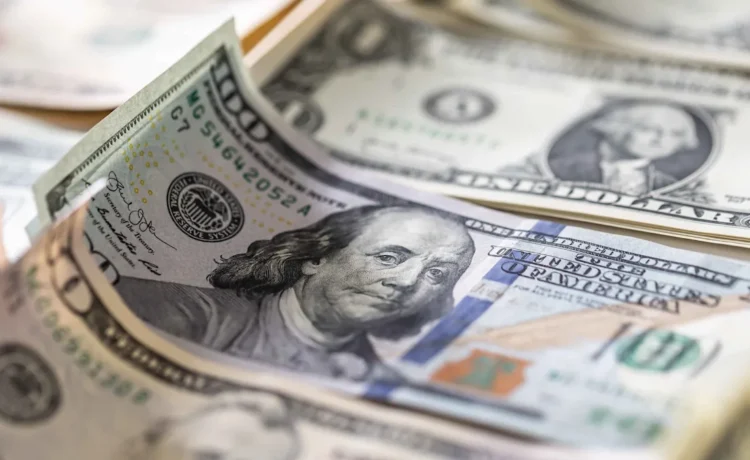
Uh, I’m glad you asked that because that’s my forte. So we uh do have an off consensus call of calling another 6% lower in the dollar by the middle of next year.
00:15 Speaker B
Uh the dollar obviously has been a stronger in the last few months, which was also our call. The dollar needed a positioning adjustment to go through because at one point everyone was in the short dollar trade, but now thankfully positioning looks a lot more neutral and balanced out.
00:32 Speaker B
We do think that the growing risks to the labor market, the Fed potentially having to ease a lot more than market is expecting and ultimately at the end of the day, the global investors of the world not putting the dollar at that safe haven pedestal that they used to will play a key role into earlier next year.
00:54 Speaker B
Mid next year is potentially when the Fed would have cut interest rates, let’s say another 75 basis points to 100 basis points lower. That which that will actually bring down the cost of hedging the dollar exposure for foreign investors.
01:07 Speaker B
We’re not saying that foreign investors will start, you know, selling US assets definitely not. But every single foreign investor we speak to now wants to hedge the dollar exposure of the US asset holdings, which will become cheaper as the Fed cuts its interest rates.
01:23 Speaker B
So you can get a repeat of the move that you saw at the start of the year again in the middle of next year, which leads to another drop in the dollar.
01:31 Speaker A
Do you think that dollar weakness on balance is um a tailwin for US corporate profits because we are so internationally, you know, indexed or, you know, there’s always sort of a debate about the lower dollar is a good or bad for the US economy.
01:54 Speaker B
Uh, that that’s definitely true. a lower dollar can have have positive growth implications, can also have sometimes negative inflation expectations because of it importing inflation.
02:08 Speaker B
Thankfully the risk of that inflation importation is lower because of the tariffs and the pass through which needs to come there. So if you focus on the growth side, it does make it easier for foreign investors to buy, uh you know, US products and uh assets. so that will definitely be a good thing. It can, you know, lay some of the fears on the very downside.
02:30 Speaker B
Uh but more importantly, uh I think people’s faith in the US assets will still remain because there’s no big challenge to let’s say the US AI boom out there. no meaningful challenge from any other country out there yet.
02:46 Speaker B
Uh but unfortunately, the dollar is is a big risk there. I’m not saying that people will start Central banks will start have been buying gold. That’s also been a big question people have been asking, are people de-dollarizing? Those kinds of things will remain in place, but mostly from the dollar being a safe haven, not from a confidence in US assets, but mostly from the dollar being a safe haven because the US is no longer shielded from the global shocks of the world, but has become the emanating source of them thanks to US policy uncertainty and that has been the big shift which I think will keep in play next year because the administrators will not change anytime soon.
03:22 Speaker A
Right. No, it is not. at least not for the next several years. Thanks so much Shadi. I appreciate it.
03:26 Speaker B
Thank you so much for having me.