
Trading in 2026 moves at a pace where reactions happen in seconds and mistakes show up just as fast. Everyone now has access to charts, tools, and strategies, so the edge doesn’t come from finding something hidden. It comes from how you execute, manage risk, and make decisions when real money is involved.
Most traders don’t struggle because they lack opportunities. They struggle because they lack consistency. These rules focus on staying controlled, making better calls under pressure, and knowing how to grow once things start working.
Build a Trading System Before You Place Trades

Credit: Canva
A trade without a defined system is just a reaction to price movement. A structured plan sets entry conditions, exit rules, position size, and risk limits before anything happens. That removes guesswork when the market moves quickly. Traders who rely on instinct tend to change decisions mid-trade, while those with a system follow predefined rules that keep outcomes consistent over time.
Define Risk Before You Think About Profit

Credit: Canva
Every trade begins with a potential loss. Setting a fixed percentage of capital at risk, often around 1% to 2%, creates a clear boundary that protects the account from large drawdowns. Once that number is locked in, position size and stop-loss placement become mechanical decisions, keeping risk controlled regardless of how strong a setup looks.
Size Positions Based on Conditions, Not Confidence
Credit: Canva
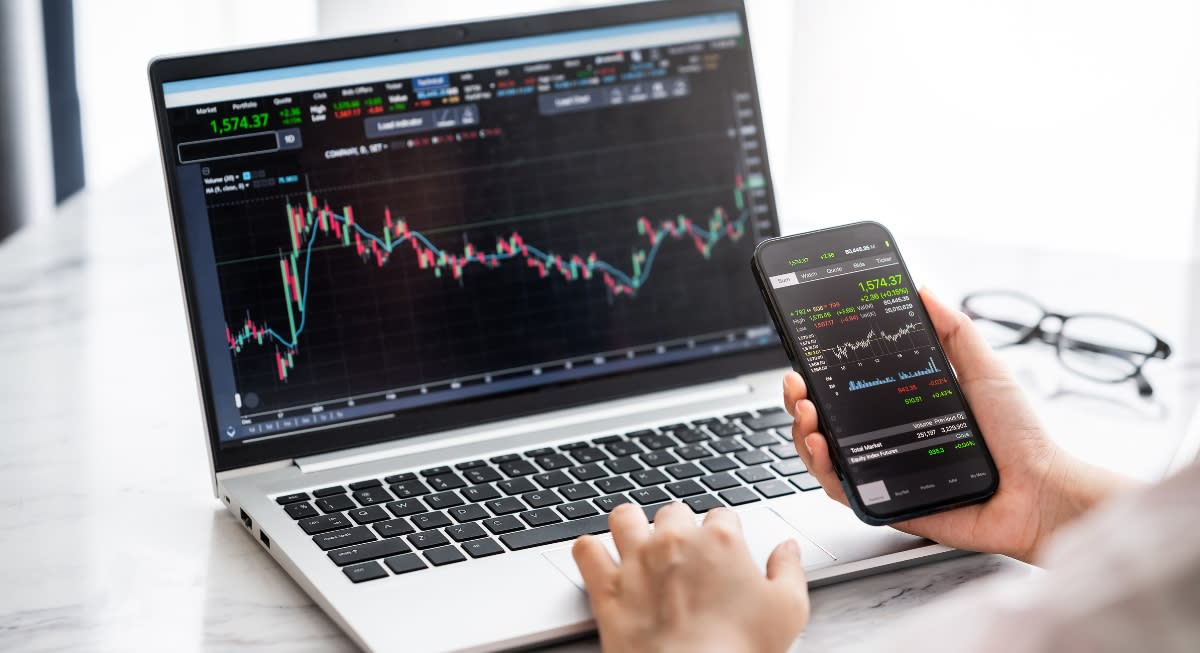
Conviction does not reduce risk, but volatility does change how much exposure makes sense. A position that works in a stable market can become oversized in a fast-moving one. Adjusting size based on volatility, liquidity, and uncertainty keeps trades balanced. This approach prevents a single trade from dominating performance, even when market conditions shift quickly.
Cut Losses in a Way That Stops Them From Compounding

Credit: Canva
Small losses are manageable, but uncontrolled losses grow faster than expected. A predefined exit, whether based on price levels or percentage moves, ensures that losing trades stay contained. Allowing a trade to drift beyond its planned risk introduces a second decision under pressure, which is where most damage occurs. Consistency in exits matters more than being right on direction.
Let Winning Trades Expand Beyond Fixed Targets
Credit: Getty Images
Strong trades often extend further than expected, especially in trending or high-momentum markets. Locking in profits too early limits overall performance. Using trailing stops or scaling out gradually allows a position to grow while still protecting gains. This approach captures larger moves when they happen, instead of capping upside at an arbitrary level.
Stop Trading When Your Limits Are Hit
Credit: pexels
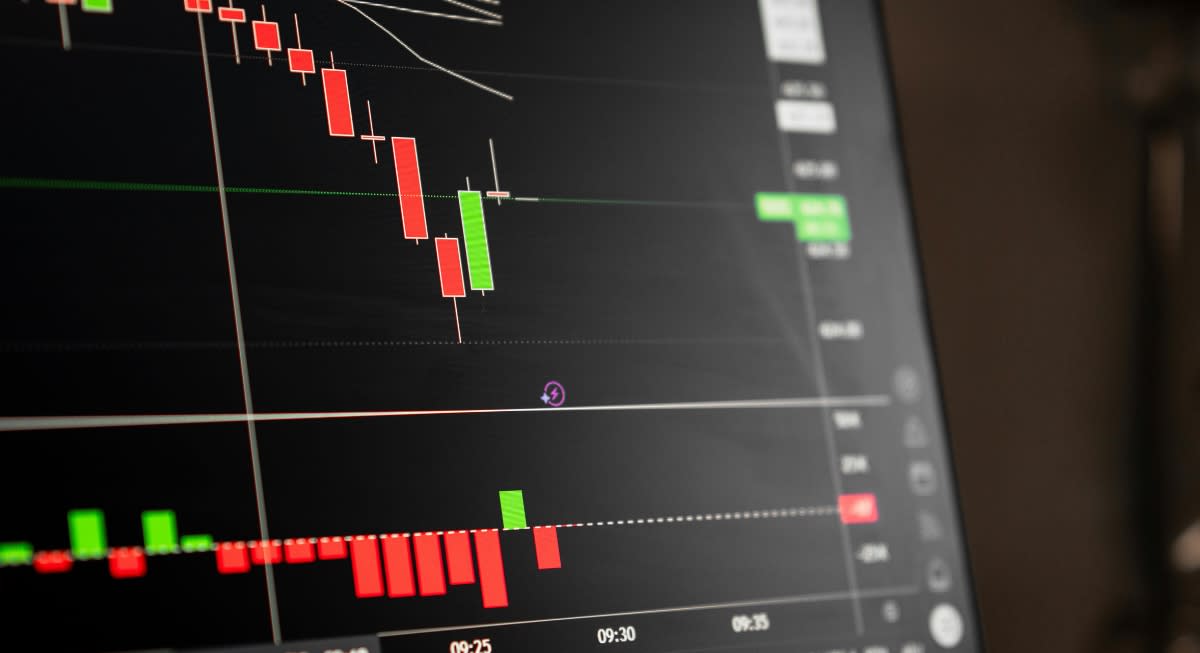
Loss limits are designed to protect both capital and decision quality. A daily or weekly drawdown threshold creates a clear stopping point when performance drops. Continuing to trade past that point usually leads to forced setups and poor execution. Stepping away resets focus and prevents a short-term mistake from turning into a larger setback.
Focus on One Edge Before Expanding Your Playbook

Credit: pexels
Switching between strategies too early spreads attention thin and makes it difficult to understand what actually works. Concentrating on one approach, whether trend, breakout, or range-based, builds familiarity with its behavior across different conditions. Once results are consistent, adding new strategies becomes an expansion, not a reset.
Trade the Market in Front of You
Credit: Canva
Market structure shifts between trending, falling, and range-bound environments. Each requires a different approach, and forcing the same strategy across all conditions reduces effectiveness. Recognizing what type of market is active and adjusting accordingly improves both entry quality and risk control. Flexibility keeps strategies aligned with how price is actually moving.
Scale Only When Consistency Is Proven

Credit: pexels
Increasing position size too early magnifies mistakes instead of results. Growth should follow a track record of stable performance across multiple trades, not a short streak of wins. Gradual scaling allows traders to test whether their process holds under larger exposure. If execution breaks down at a larger size, it signals a need to refine before scaling further.
Use Data to Refine Decisions, Not Replace Them
Credit: pexels
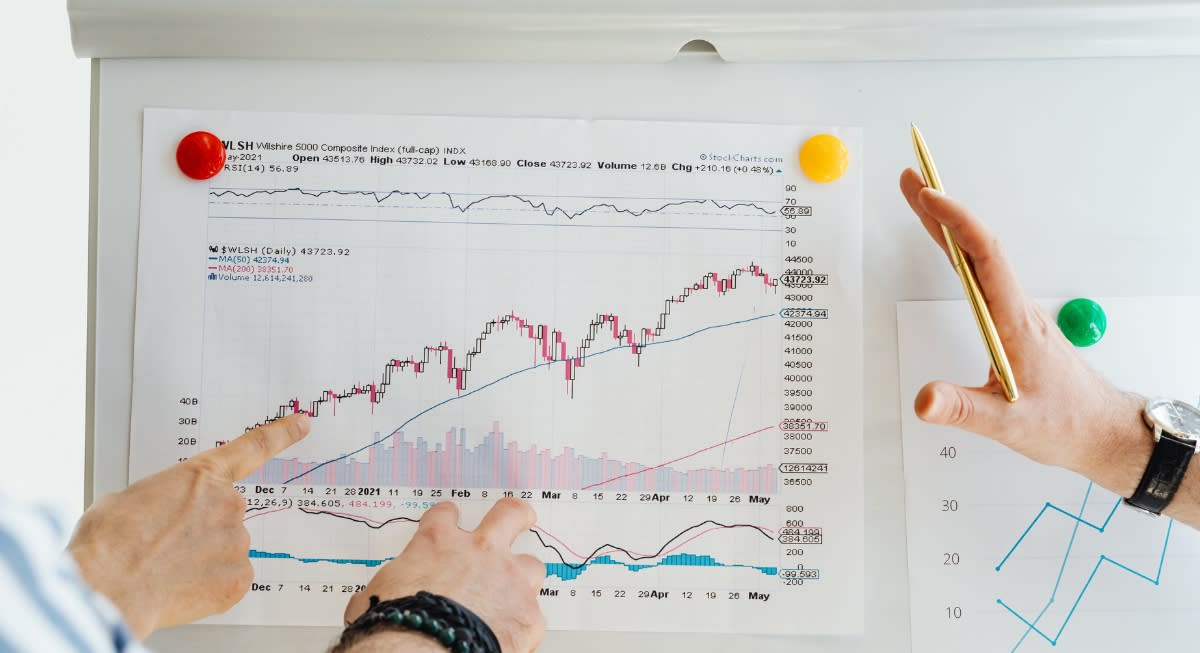
Trade tracking turns activity into usable feedback. Reviewing entries, exits, and outcomes reveals patterns that are easy to miss in real time. Tools and automation can assist with execution, but they work best when guided by a clear framework. Data improves decision-making when it is used to adjust behavior, not when it replaces judgment entirely.