Maryam Ashalem de Andres
11 September 2026•Update: 11 September 2026
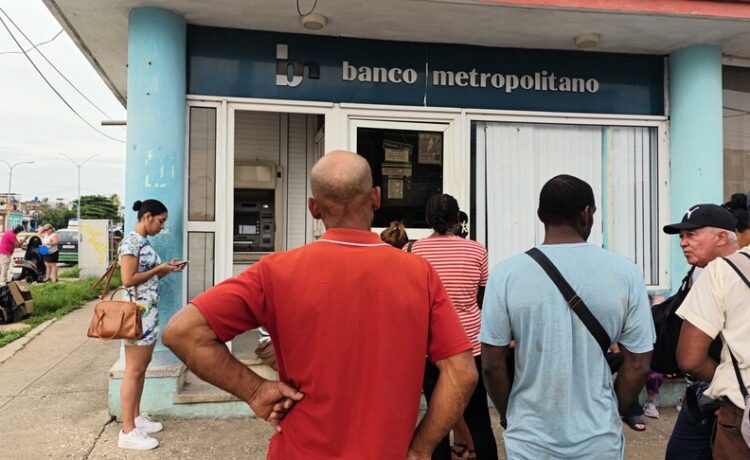
Cuba has approved new rules governing foreign-currency bank accounts, allowing private businesses and other non-state economic actors to deposit foreign-currency cash and make payments abroad for imports, financing and other authorized purposes.
“The opening of foreign-currency accounts in banks by individuals and legal entities is carried out without prior authorization from the Central Bank of Cuba,” the central bank said in Resolution 102/2026, local media reported.
The regulation replaces Resolution 125/2025, which had governed foreign-currency accounts since December.
These non-state economic actors include cooperatives, agricultural producers, communicators, artists and other creators operating outside the state sector.
The new framework modifies the rules for cash deposits in foreign currencies by non-state economic actors.
It also allows them to make payments abroad for imports, financing and other legally authorized purposes.
The regulation further permits transfers between foreign-currency accounts and the purchase or sale of foreign currency through authorized exchange mechanisms.
Account holders remain responsible for all transactions carried out through their accounts.
Banks must also apply due diligence measures under regulations addressing money laundering, terrorist financing and the proliferation of weapons of mass destruction.
The measures are intended to facilitate foreign-currency operations for non-state economic actors and provide greater flexibility in their access to the banking system.
Since late 2025, the government has introduced measures allowing non-state businesses to access foreign currency through the banking system. In June, private actors were also allowed to deposit US dollars in cash without mandatory conversion into Cuban pesos.
The changes come as Cuba faces a severe economic crisis, persistent foreign-currency shortages and a growing gap between official and informal exchange rates.
Resolution 102/2026 will take effect seven days after publication, on or around Sept. 17.