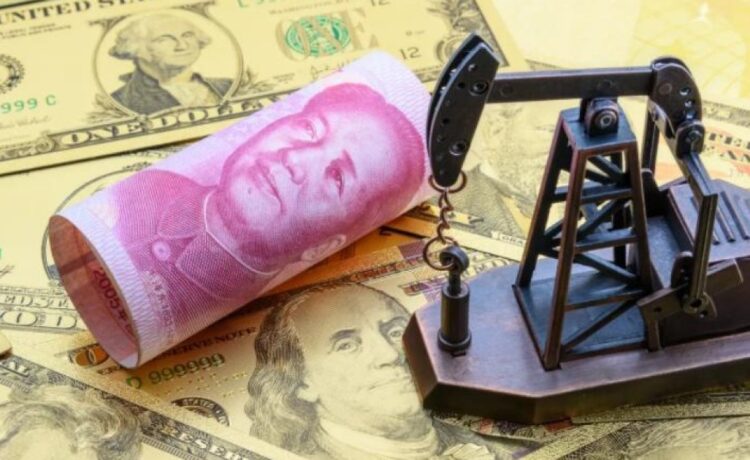
The ongoing Iran conflict has reignited debate around the so-called “petrodollar” system, with shifting oil trade dynamics raising questions about the future of the US dollar’s global dominance.
Recent developments, including oil trades settled in yuan and alternative payment mechanisms, have led to speculation that the traditional link between oil and the dollar may be weakening.
However, market analysts argue that the dollar’s global role is far more complex and not solely dependent on how oil is priced or traded.
Dollar Power Extends Beyond Oil Trade
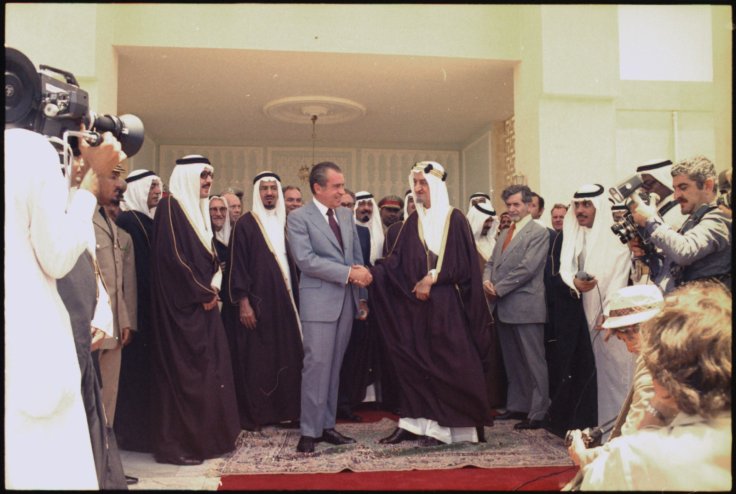
The concept of the “petrodollar” originated in the 1970s, when oil-exporting nations began pricing crude in dollars and recycling revenues into US financial markets. But this narrative oversimplifies the foundations of dollar dominance, which are rooted in a broader global financial system built around liquidity, banking infrastructure, and trade invoicing.
A significant portion of global trade continues to be denominated in dollars, regardless of whether the United States is directly involved, reflecting the currency’s entrenched role in international commerce.
At the same time, offshore dollar markets – often referred to as the Eurodollar system – allow banks outside the United States to create and circulate dollar-denominated assets, further reinforcing global demand.
The system operates largely beyond direct US regulatory control but remains supported by Federal Reserve mechanisms, including swap lines that provide liquidity during periods of stress.
Geopolitics Shifts Flows but Not the System
The Iran war has disrupted oil flows and introduced alternative settlement mechanisms, including transactions in non-dollar currencies.
Some Gulf exporters are increasingly exploring diversification, while countries like China and India have shown willingness to settle energy trades outside the dollar system. These shifts have fueled speculation that the traditional “oil-for-dollars” framework is breaking down.
However, historical patterns suggest that changes in trade settlement do not necessarily translate into a broader erosion of currency dominance. Even during periods of geopolitical disruption, the underlying financial architecture supporting the dollar has remained intact.
IBT SG
Financial commentator Paul Einzig once described early offshore dollar markets as a “remarkable conspiracy of silence,” highlighting how the system evolved quietly through private banking activity rather than formal policy design.
Structural Forces Continue to Support the Dollar
Key indicators of dollar strength extend beyond oil markets, including its role in global reserves, trade invoicing, and financial markets. While the dollar’s share of global reserves has declined in recent years, it remains the dominant currency, supported by deep capital markets and widespread use in cross-border transactions.
A large share of global dollar liquidity is created outside the United States, with offshore dollar markets continuing to expand, reinforcing the currency’s global reach.
Additionally, Federal Reserve backstops, particularly swap lines with major central banks, provide a level of financial security unmatched by other currencies.
The combination of liquidity, infrastructure, and institutional support underpins the dollar’s resilience, even as geopolitical dynamics evolve.
Dollar Outlook Tied to Policy, Not Oil
The long-term outlook for the dollar depends less on oil pricing and more on the credibility of US monetary policy and financial stability.
While geopolitical tensions may alter trade flows and settlement choices at the margins, they do not fundamentally disrupt the global financial system that supports the dollar. For now, the Iran conflict is reshaping short-term currency dynamics, but the structural foundations of dollar dominance remain largely unchanged.
The key risk lies not in how oil is traded, but in whether confidence in US financial leadership and policy consistency can be maintained over time.