Equity markets have been under pressure. Fed Chair Warsh’s hawkish remarks at Jackson Hole, combined with rising tensions in the Middle East, have pushed US Treasury yields higher and weighed on growth stock valuations. For investors with portfolios concentrated in equities, this kind of environment can mean noticeably higher account volatility.
In periods like this, some investors consider rebalancing — allocating a portion of their portfolio to asset classes that have historically shown lower correlation with equities, with the aim of smoothing overall volatility.
Gold, Bitcoin, and oil and energy have each been moving somewhat independently of broader equity markets in recent weeks, and are among the asset directions some investors consider in this context.
The following is an overview of the main ETF types available for each of these asset classes, for reference only.
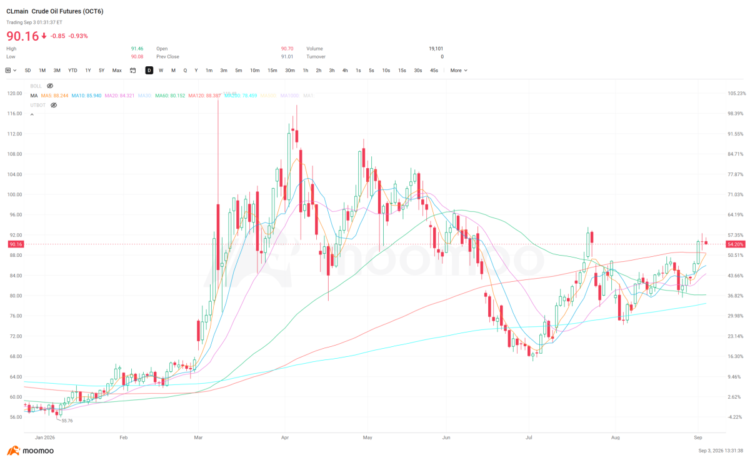
With the US-Iran conflict ongoing, Brent crude has risen to around $90.49 and WTI to approximately $85.76. The energy sector has shown some divergence from tech stocks in recent weeks, with some investors looking toward commodity-related assets as rising rates have continued to pressure growth valuations.
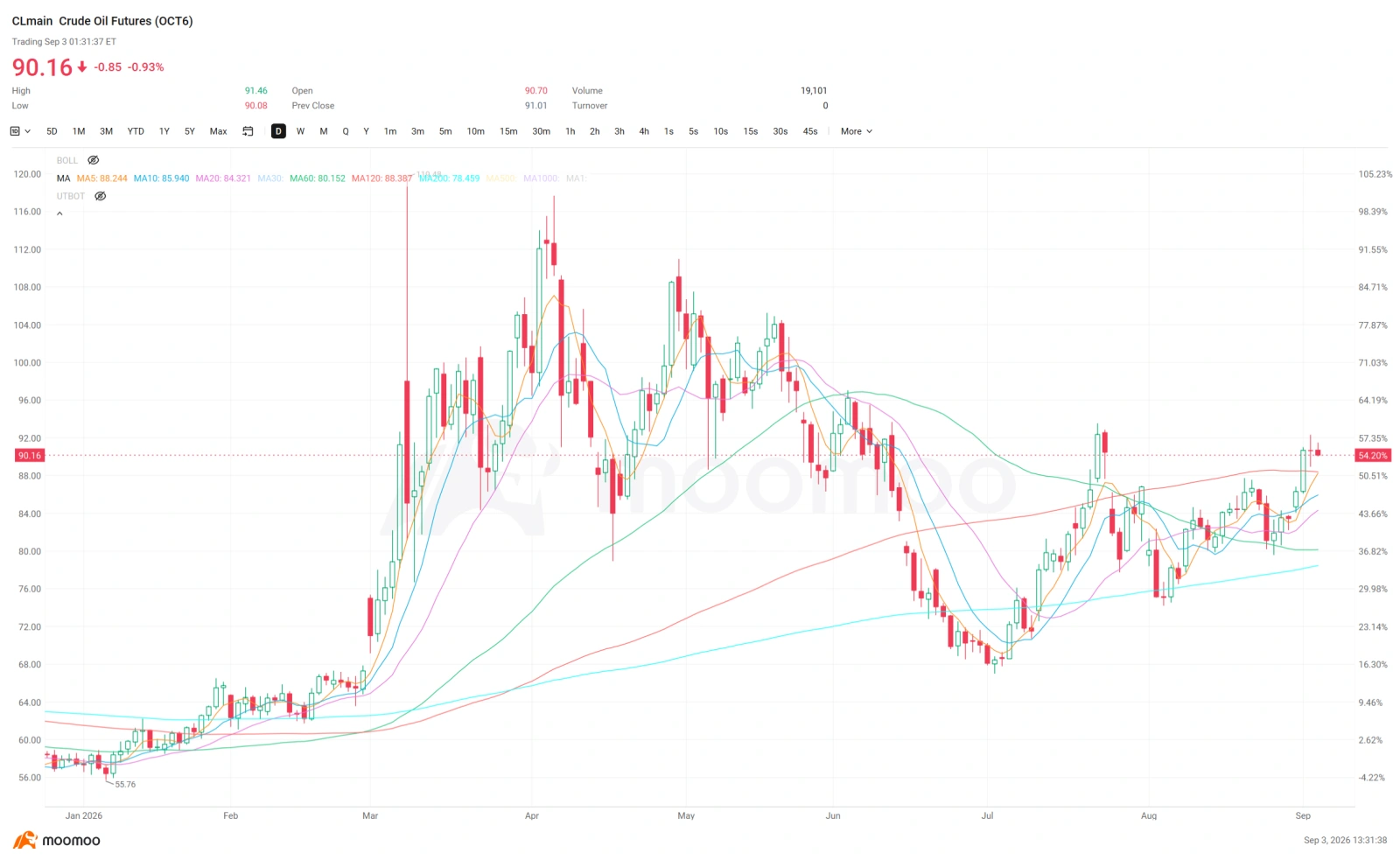
It’s worth noting that energy ETFs carry their own set of risks, including oil price volatility, geopolitical uncertainty, and company earnings variability.
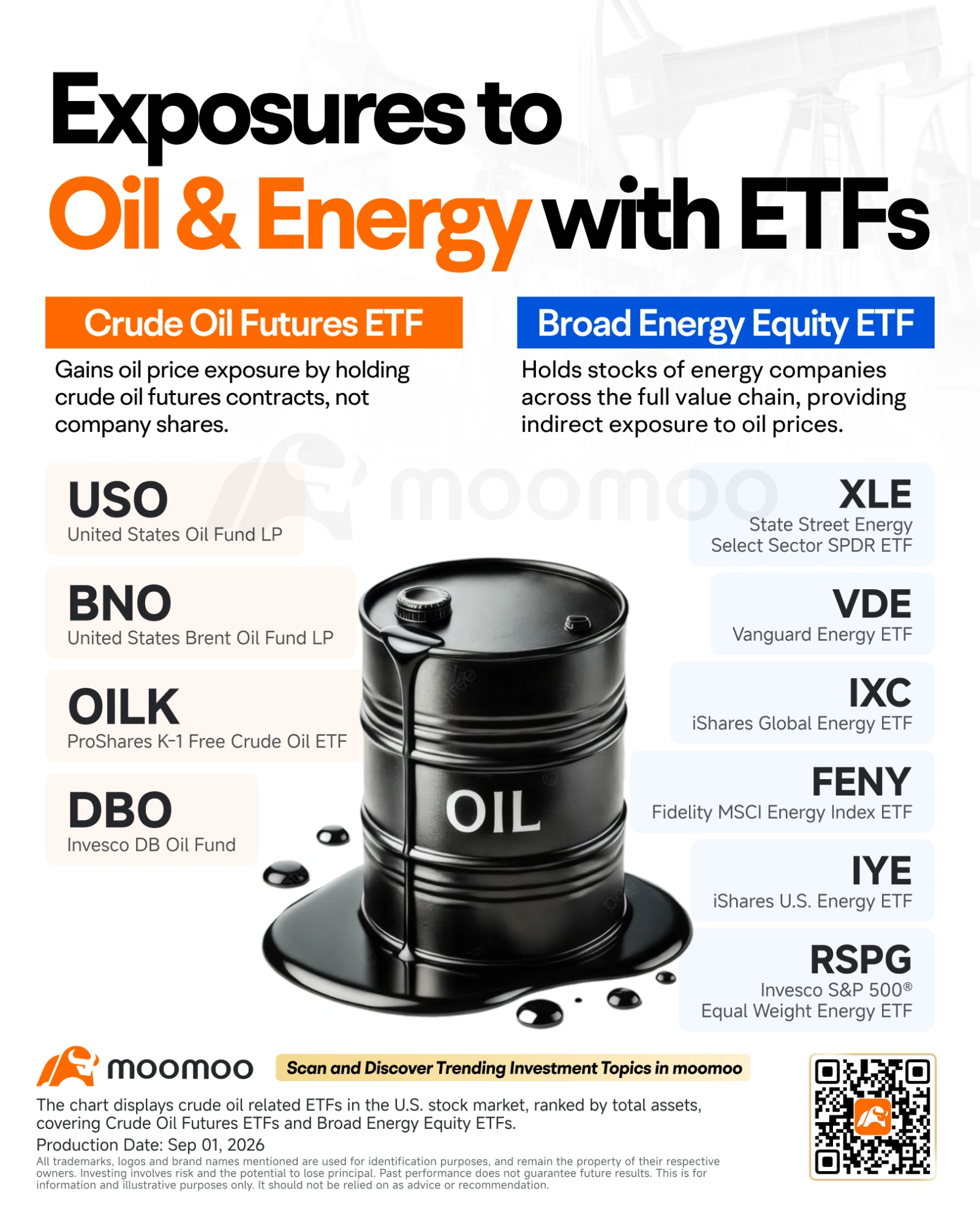
There are broadly two types of ETF available for energy exposure:
Crude oil futures ETFs track oil prices by holding futures contracts rather than company shares, providing the most direct price exposure. Investors should be aware of the impact of futures contract rollover costs (roll cost) on longer-term returns.
Broad energy equity ETFs hold stocks across oil, gas, and energy infrastructure companies. They reflect oil prices indirectly and are also influenced by company earnings and broader equity market sentiment, meaning their performance may diverge from spot oil prices.
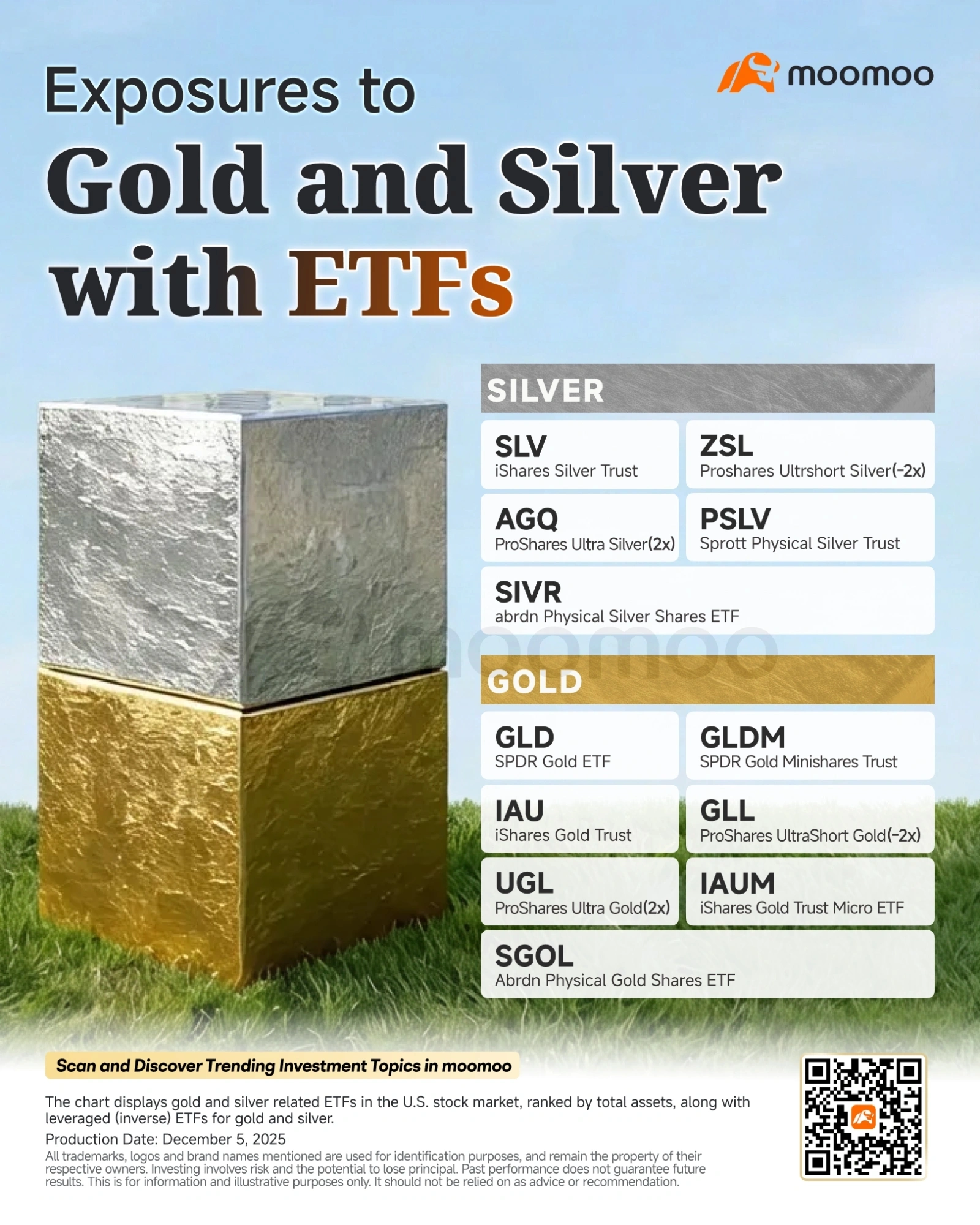
Gold has been one of the best-performing assets recently, though it has pulled back to around $4,430 as U.S. Treasury yields have climbed.
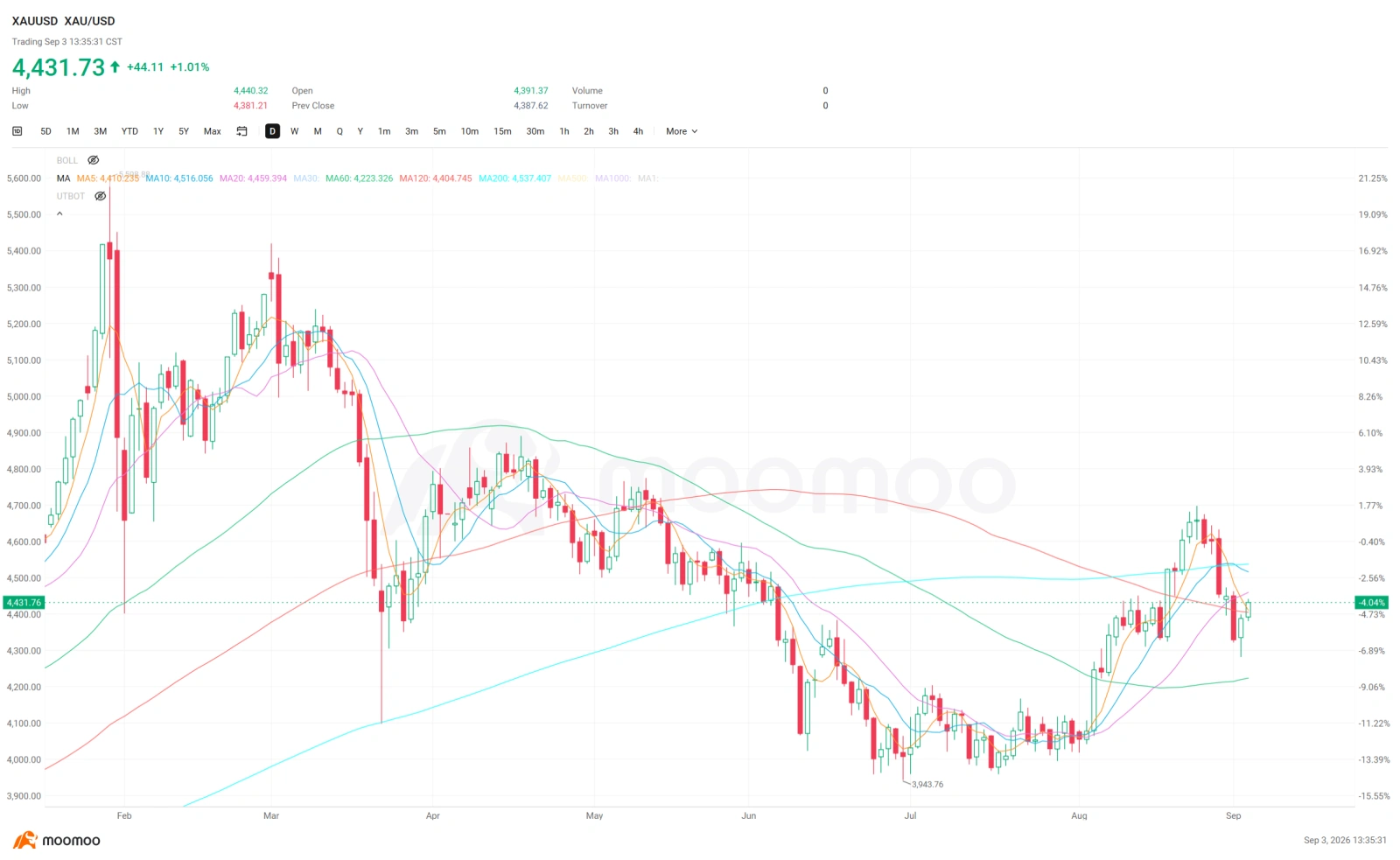
Some market observers suggest that gold’s performance has reflected not only real interest rate dynamics but also concerns around US dollar credibility — though the relationship between gold, rates, and the dollar is not fixed and can vary significantly across different market environments.
For investors looking to understand how they might access gold through their brokerage account, spot gold ETFs are one of the more common options. These hold physical gold and track the spot price, without the rollover costs associated with futures-based products.
Silver ETFs and products covering both metals are also available, as well as leveraged and inverse products for more experienced investors.
Bitcoin recorded approximately 25% gains in August — its strongest monthly performance since November 2024 — while Ethereum rose over 33% in the same period. US spot Bitcoin ETFs saw weekly net inflows approaching $2 billion, the strongest week of the year.
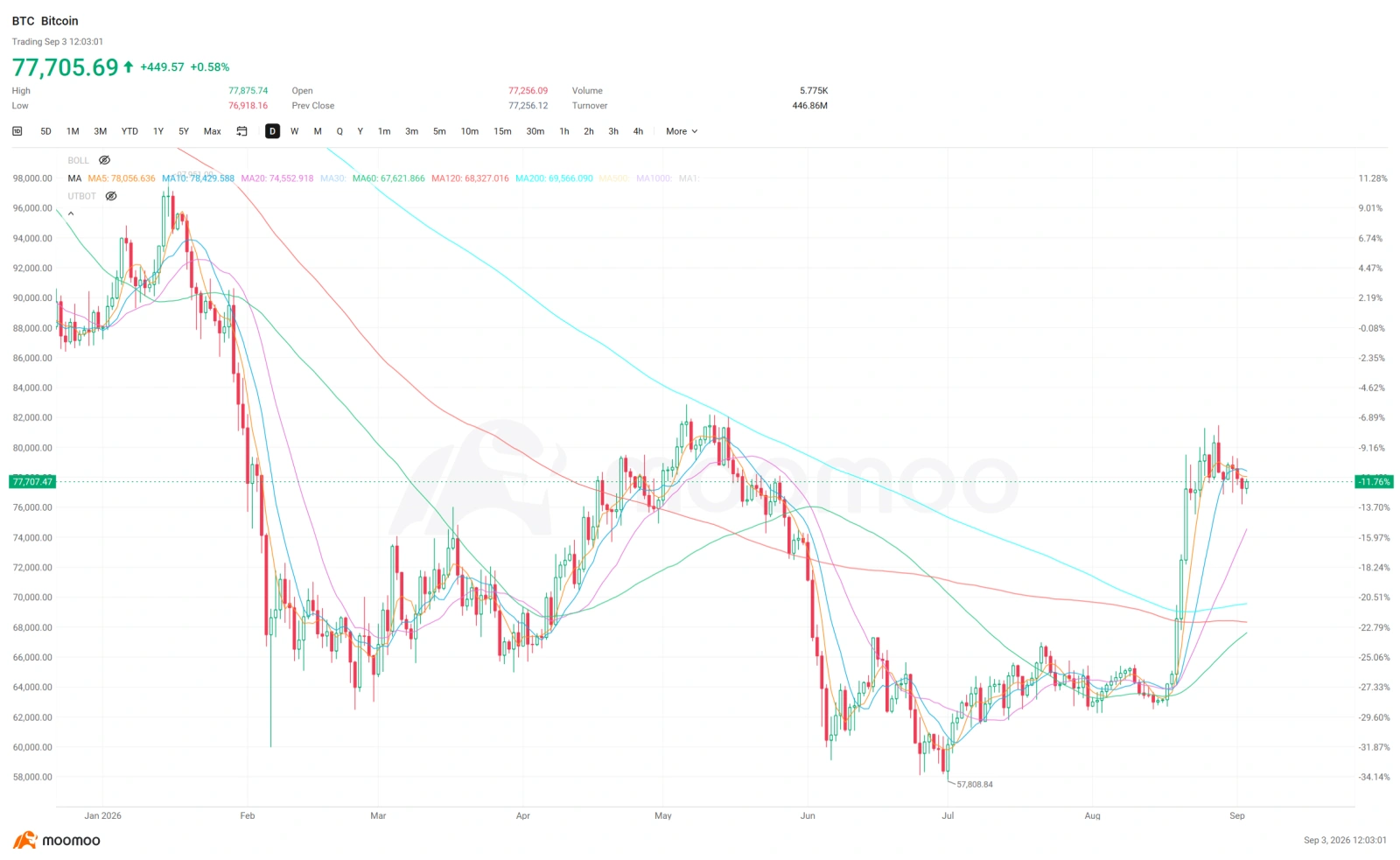
Warsh’s Jackson Hole remarks triggered a short-term pullback, with BTC retreating from a high near $81,455 to around $78,000. Net inflows into US spot Bitcoin ETFs for August as a whole still exceeded $3 billion, with some institutional capital continuing to access the market through ETF channels. Crypto assets are highly volatile and have experienced significant drawdowns historically. The above data reflects recent market conditions only and is not indicative of future performance.
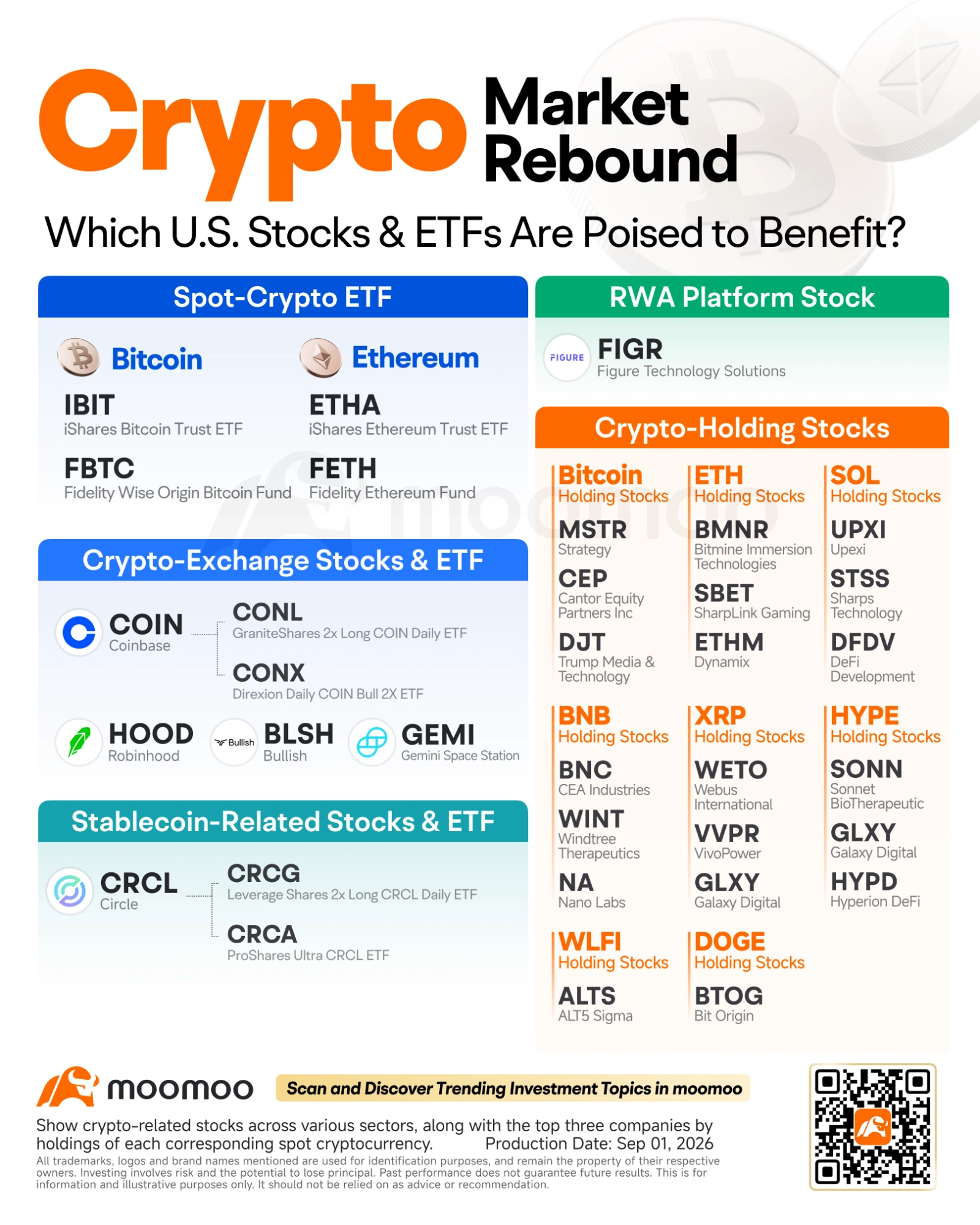
In addition to spot crypto ETFs, there are equity ETFs focused on the broader crypto ecosystem — holding stocks across exchanges, miners, and blockchain infrastructure companies. These are not equivalent to holding crypto directly. Their performance is also shaped by company fundamentals, valuations, and broader US equity market risk appetite.
The key distinction: spot ETFs track price most closely; crypto equity ETFs introduce company-level variables; and leveraged products carry amplified risk and are designed for short-term use. It’s worth being clear on whether you’re looking for direct price exposure or broader industry exposure before deciding which type fits your situation.
Why Have These Three Asset Classes Come Into Focus Together?
The underlying macro drivers are different for each. Elevated Treasury yields and questions around US dollar credibility have drawn some attention toward gold and Bitcoin, each for different reasons. The Middle East situation has introduced a geopolitical risk premium that has supported energy markets somewhat independently of broader macro dynamics.
The path and timing of rate cuts remains uncertain — if rates move lower, assets sensitive to real yields may benefit; if inflation stays elevated and cuts are delayed, the case for commodities and energy could persist longer. These two scenarios point in different directions across asset classes, which is part of why some investors consider diversifying across them.
ETFs change how you access these assets. They don’t change the underlying volatility of the assets themselves.
This content is for general educational and informational purposes only and does not constitute financial advice or any form of recommendation. Crypto assets, commodities, and related ETFs can be highly volatile. Some products involve leverage, derivatives, and liquidity risks. Before investing, please ensure you understand the product structure and underlying assets, and make decisions based on your own financial situation and risk tolerance. Past performance is not indicative of future results.